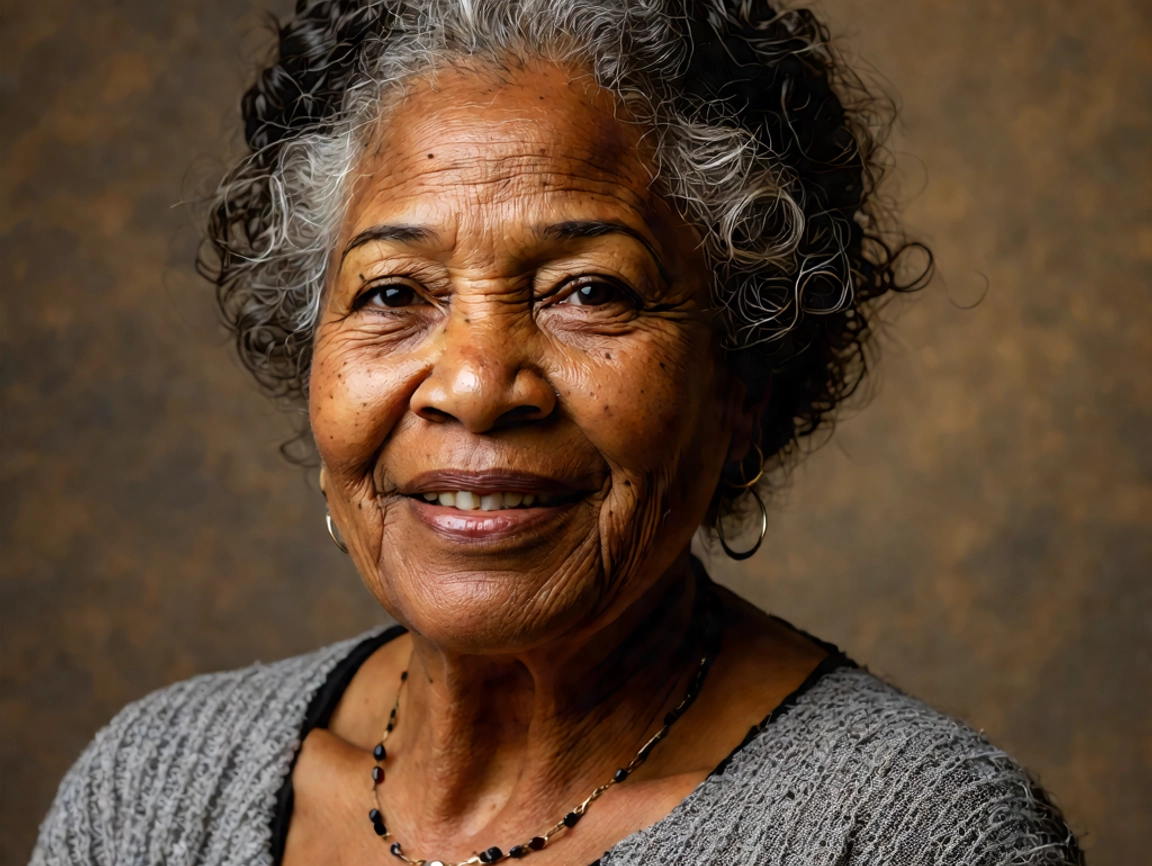
Fibromyalgia Symptoms in Women: Signs That Deserve Attention
Fibromyalgia can affect anyone, but it is diagnosed more often in women. The condition involves much more than sore muscles: widespread pain may occur alongside severe fatigue, unrefreshing sleep, cognitive difficulty, headaches, digestive problems, pelvic symptoms and heightened sensitivity to touch, light, sound or temperature.
What does fibromyalgia feel like in a woman?
There is no single experience. Pain may feel aching, burning, throbbing or unusually intense after pressure that would not normally hurt. It can shift among the neck, shoulders, chest, back, hips, arms, legs or other areas. Symptoms often fluctuate; a better day does not mean the condition was imagined, and a worse day does not always reveal a clear trigger.
Fibromyalgia is not an inflammatory arthritis and does not directly damage joints or muscles. However, it can substantially affect mobility, work, caregiving, sleep and quality of life.

Twelve fibromyalgia symptoms commonly reported by women
1. Widespread pain
Pain occurs in multiple body regions rather than one injured spot. It may move, change intensity or become more noticeable after poor sleep, stress, illness or activity.
2. Fatigue that rest does not fix
Fibromyalgia fatigue may feel like heaviness, low stamina or an energy “crash.” It can make basic tasks—showering, cooking or concentrating—feel disproportionately demanding.
3. Unrefreshing sleep
You may sleep for many hours and still wake exhausted. Insomnia, sleep apnea or restless legs can coexist and deserve their own evaluation.
4. Fibro fog
Concentration, short-term memory, word-finding and mental processing may become difficult. Pain, fatigue, stress and poor sleep can intensify these problems.
5. Morning or after-rest stiffness
The body may feel stiff after waking or remaining in one position. Visible joint swelling, warmth or redness should be checked for another cause.
6. Tenderness and pain from light touch
Clothing seams, a hug, a blood-pressure cuff or pressure from bedding may feel unusually painful because the nervous system processes sensory signals differently.
7. Headaches or migraine
Recurring headaches may occur alongside fibromyalgia. A sudden “worst headache,” or headache with weakness, confusion or vision loss, needs urgent medical care.
8. Numbness or tingling
Pins-and-needles sensations may occur in the hands, arms, feet or legs. New one-sided, progressive or weakness-related symptoms should not be assumed to be fibromyalgia.
9. Digestive symptoms
Irritable bowel syndrome, bloating, constipation, diarrhea, abdominal discomfort or reflux may coexist. Bleeding, persistent vomiting, severe pain or unexplained weight loss requires evaluation.
10. Pelvic, bladder or menstrual symptoms
Some women report painful periods, pelvic discomfort, urinary urgency or bladder pain. These symptoms can also come from endometriosis, infection, fibroids, bladder pain syndrome or another gynecologic or urologic condition.
11. Sensitivity to temperature, light, sound or odors
Ordinary sensory input may feel overwhelming. Sunglasses, layered clothing, planned quiet time or ear protection may help in selected settings.
12. Anxiety or depression
Mood conditions may coexist with chronic pain and disrupted sleep. They deserve real treatment and do not mean that fibromyalgia symptoms are imaginary.
Can periods, pregnancy or menopause affect symptoms?
Some women report changes in pain, fatigue, sleep or migraine around menstruation, pregnancy, postpartum recovery or menopause. Research has not established one predictable pattern for everyone, and hormones are not a proven single cause of fibromyalgia.
| Life stage | What may overlap | Why evaluation matters |
|---|---|---|
| Menstrual cycle | Cramps, migraine, sleep changes, pelvic pain or fatigue | Severe or worsening period pain may need evaluation for endometriosis, fibroids or another condition. |
| Pregnancy | Fatigue, sleep disruption, back or pelvic discomfort | Medication and supplement safety changes during pregnancy; treatment should be reviewed early. |
| Postpartum | Sleep loss, mood changes, pain and physical recovery | Postpartum depression, infection, blood clots and other complications require timely recognition. |
| Perimenopause and menopause | Hot flashes, insomnia, mood changes, headaches and joint or muscle discomfort | Symptoms may have several causes, and treatment options depend on individual risks and priorities. |
Keep a brief cycle and symptom record if you suspect a pattern. Bring it to a primary-care or gynecology appointment instead of assuming every change is fibromyalgia.
Conditions that may resemble or coexist with fibromyalgia
- Thyroid disease: may cause fatigue, cognitive changes, temperature sensitivity and muscle symptoms.
- Iron-deficiency anemia or nutrient deficiency: may contribute to fatigue, weakness, shortness of breath or neurological symptoms.
- Rheumatoid arthritis, lupus or Sjögren’s disease: can cause pain and fatigue but may also produce inflammation, swelling, rashes, dryness or organ-related findings.
- Sleep apnea or restless legs: may cause unrefreshing sleep, headaches and daytime exhaustion.
- Endometriosis or bladder pain syndrome: may contribute to pelvic, menstrual or urinary symptoms.
- ME/CFS: may overlap with pain and fatigue; post-exertional malaise is an important distinction to discuss.
- Medication effects: some medicines can worsen fatigue, sleep, dizziness or concentration.
How fibromyalgia is diagnosed today
No single blood test, scan or X-ray confirms fibromyalgia. Clinicians use medical history, symptom duration, distribution of pain, fatigue, sleep and cognitive symptoms, plus a physical examination. Testing may be ordered to look for other explanations.
Modern diagnosis does not require exactly 11 painful points out of 18. Tender-point counting was part of older classification criteria, but today’s assessment considers widespread pain and symptom severity more broadly. See Diagnosing Fibromyalgia: What to Expect.

Why women may struggle to be heard
Symptoms such as pain, fatigue, poor sleep and brain fog are real but not always visible. Women may also be told that symptoms are simply stress, aging or hormones. At the same time, assuming every complaint is fibromyalgia can delay recognition of another condition.
You can strengthen the conversation by describing function: “I can stand for ten minutes before pain forces me to sit,” or “I wake four times each night and struggle to stay alert while driving.” Ask what possibilities are being considered, what has been ruled out and what should prompt follow-up.
How to prepare for a medical appointment
- List your three most disruptive symptoms.
- Mark pain locations on a simple body outline.
- Record sleep, fatigue and activity for one to two weeks.
- Note menstrual, pregnancy, postpartum or menopause patterns when relevant.
- Bring every prescription, over-the-counter medicine and supplement.
- Write down family history of autoimmune, thyroid or chronic pain conditions.
- Explain what symptoms prevent you from doing.
- Ask which alternative diagnoses or coexisting conditions need consideration.
Treatment is usually combined and individualized
Care may include gradual exercise, sleep treatment, pacing, cognitive behavioral therapy, medication and management of coexisting conditions. No single medicine is best for everyone. Compare options in What Is the Number One Medication for Fibromyalgia? and Managing Fibromyalgia Pain: Medications and Natural Remedies.
Symptoms that need prompt or urgent care
Call emergency services for chest pain, severe difficulty breathing, fainting, sudden one-sided weakness or numbness, new confusion, loss of bladder or bowel control, a sudden severe headache, or thoughts of harming yourself.
Arrange prompt medical evaluation for fever, hot or swollen joints, new rash, unexplained weight loss, persistent vomiting, blood in urine or stool, progressive weakness, new vision changes, or symptoms distinctly different from your usual pattern.
Frequently asked questions
What are usually the first signs of fibromyalgia in women?
There is no universal first sign. Many people notice recurring widespread pain, fatigue, unrefreshing sleep, stiffness or concentration problems. These symptoms also occur in other conditions.
Where does fibromyalgia pain occur?
Pain may occur in the neck, shoulders, chest, back, hips, arms, legs or other regions. The location and intensity can change.
Do women experience fibromyalgia differently from men?
Individual variation is greater than any simple women-versus-men rule. Women may additionally report menstrual or pelvic symptoms and may notice changes around reproductive transitions.
Can menopause make fibromyalgia worse?
Some women report symptom changes, but menopause can independently affect sleep, mood, headaches and musculoskeletal comfort. A clinician can help separate overlapping causes.
Does fibromyalgia cause swollen joints?
Fibromyalgia can cause pain and stiffness but does not cause inflammatory joint damage. Visible warmth or swelling needs evaluation for another cause.
Can fibromyalgia cause numbness and tingling?
Yes, these sensations are reported. New, one-sided, progressive or weakness-related symptoms need medical assessment.
Is fibromyalgia an autoimmune disease?
No. It is not currently classified as autoimmune or inflammatory, although it can coexist with autoimmune disease.
Can bloodwork diagnose fibromyalgia?
No specific blood test confirms it. Testing may be used to identify or exclude other causes of symptoms.
The bottom line
Fibromyalgia symptoms in women extend beyond widespread pain and may involve energy, sleep, cognition, digestion, sensory sensitivity, mood and pelvic health. Recognizing the pattern can help you communicate clearly, but a symptom list cannot diagnose you. Seek a careful evaluation—especially when symptoms are new, changing or unlike your usual experience.
Trusted sources
Medical disclaimer: This article is for general education and does not replace professional medical advice, diagnosis or treatment. Seek individualized care for new, severe, persistent or changing symptoms.