Does Fibromyalgia Get Worse as You Age?
Fibromyalgia is a chronic condition known for its widespread pain, fatigue, and cognitive difficulties, among a range of other symptoms. Understandably, many people living with fibromyalgia wonder if the condition will worsen as they age. The answer isn’t straightforward, but there’s good news—aging does not necessarily mean that fibromyalgia will get worse. However, symptoms can change over time, influenced by various factors such as lifestyle, stress levels, and other health conditions.
Can Fibromyalgia Symptoms Change Over Time?

Fibromyalgia affects everyone differently, and its progression—or lack thereof—is unique to each person. While the core symptoms like pain and fatigue typically remain, their intensity may fluctuate throughout a person’s life. Some individuals might find that stress or lifestyle changes bring on flare-ups that make symptoms feel worse temporarily. On the other hand, others may see improvements with better management strategies and healthier habits.
Aging itself doesn’t directly worsen fibromyalgia, but it can bring challenges that may affect your experience with the condition. For example:
- Co-existing health conditions: Conditions like arthritis or diabetes, which become more common with age, may exacerbate symptoms or make them harder to manage.
- Reduced physical activity: Aging can sometimes lead to a more sedentary lifestyle, which, in turn, can contribute to muscle stiffness and increased pain.
- Stress and life changes: Retirement, family dynamics, or financial concerns related to aging might add stress, which can worsen fibromyalgia symptoms.
Tips for Managing Fibromyalgia as You Age

While fibromyalgia may not inherently get worse with age, your approach to managing it can play a critical role in maintaining a good quality of life. Here are some tips to help you stay proactive:
1. Maintain a Healthy Lifestyle
A balanced lifestyle can significantly reduce the impact of fibromyalgia symptoms over time. Focus on:
- Eating a nutrient-rich diet that supports overall health. Include plenty of fruits, vegetables, lean proteins, and healthy fats. Reducing processed foods and sugars can also help minimize inflammation.
- Staying hydrated to support muscle function and overall well-being.
2. Stay Active with Gentle Exercise
Although fibromyalgia causes pain and fatigue, staying physically active is essential. Gentle, low-impact activities like walking, swimming, or yoga can reduce stiffness, improve muscle tone, and boost overall mood. Regular movement can also help prevent age-related issues like joint problems.
Start slowly and listen to your body. If needed, work with a physical therapist to develop a safe and effective exercise routine.
3. Practice Stress Management
Stress is a well-known trigger for fibromyalgia symptoms. Incorporating stress-reducing practices into your routine can make a big difference. Consider mindfulness techniques like meditation, breathing exercises, or journaling. Finding hobbies or activities that bring you joy and relaxation can also be incredibly beneficial.
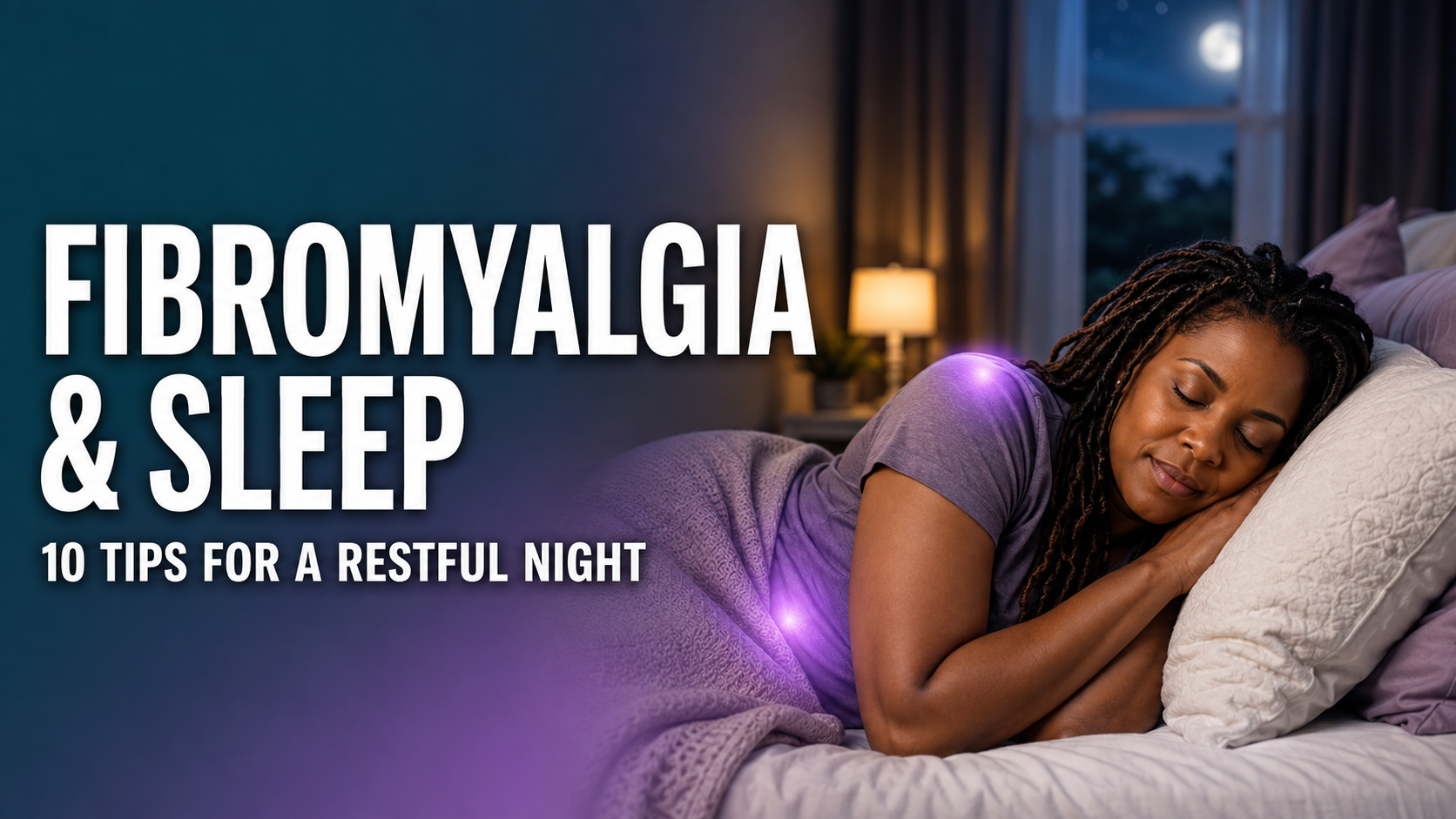
4. Prioritize Quality Sleep
Poor sleep can amplify fibromyalgia symptoms such as pain and fatigue. To promote better sleep:
- Stick to a consistent bedtime routine.
- Create a calming sleep environment free of distractions.
- Avoid screens or caffeine before bed.
If you continue to experience sleep struggles, consider discussing options with your doctor, who may guide you toward medications or therapies that support better rest.
5. Adapt and Adjust with Age
Your needs and abilities may change as you age, and that’s okay. Be open to adapting your treatment plan, trying new therapies, or exploring alternative options that suit your current stage of life. This might include incorporating assistive devices, changing your exercise routine, or seeking updated guidance from a specialist.
6. Regular Medical Check-ups
Frequent visits to your healthcare provider can help you stay on top of potential changes in your fibromyalgia symptoms or overall health. Regular check-ups can also catch any co-existing conditions early, ensuring you get the right treatment before these conditions complicate your fibromyalgia management.
7. Stay Connected
Social support is critical for long-term health, especially when managing a chronic condition like fibromyalgia. Stay connected with family, friends, and support groups to combat feelings of isolation. Sharing experiences with others who understand your challenges can be uplifting and help you find new coping strategies.
Final Thoughts
Fibromyalgia may not worsen simply due to aging, but how you manage the condition can significantly influence your experience over time. Making proactive lifestyle choices, staying active, and maintaining a strong support network can help you manage symptoms effectively at any age. Regular medical care and a willingness to adapt your treatment approach can go a long way in ensuring that fibromyalgia doesn’t hold you back as you grow older.
Ultimately, by taking charge of your health and working closely with healthcare professionals, you can continue living a fulfilling and meaningful life—even with fibromyalgia. Aging doesn’t have to mean worsening symptoms; instead, it can be an opportunity to fine-tune your self-care and thrive.
Does Fibromyalgia Get Worse as You Age?
Fibromyalgia does not usually follow a steady downhill course or damage the joints and muscles. Symptoms can fluctuate at any age, while normal aging and other health conditions may make pain, fatigue, sleep problems or mobility more challenging.

The question is understandable. Living through repeated flares can create fear that today’s difficult symptoms predict a worse future. Fortunately, fibromyalgia is different from conditions that steadily damage tissue. The NIH’s MedlinePlus Magazine states that fibromyalgia does not usually get worse over time, although it remains a long-lasting condition.
Is fibromyalgia a progressive disease?
Fibromyalgia is chronic, meaning it can last for years, but “chronic” is not the same as “progressive.” Fibromyalgia can produce widespread pain, fatigue, unrefreshing sleep, cognitive difficulty and sensitivity to touch without eroding joints or progressively weakening muscles.
Symptoms often wax and wane. A person may have:
- Relatively stable periods with manageable symptoms.
- Flares related to stress, illness, weather, disrupted sleep or overexertion.
- Improvement after finding an effective combination of treatment, pacing and movement.
- New limitations caused by another condition rather than fibromyalgia itself.
The National Institute of Arthritis and Musculoskeletal and Skin Diseases notes that fibromyalgia can affect any age, usually starts in middle age and becomes more common as people get older. That means fibromyalgia may be diagnosed more frequently in older adults; it does not prove that every individual’s existing symptoms inevitably worsen with each birthday.
Why might fibromyalgia feel worse as you get older?
Even when fibromyalgia itself is not progressively damaging the body, other changes can increase the overall symptom burden.
| Possible factor | How it may affect symptoms | What may help |
|---|---|---|
| Reduced strength or activity | Pain can lead to less movement, which may contribute to stiffness, weakness and lower stamina. | Gradual, individualized aerobic and strengthening activity; physical therapy when needed. |
| Sleep changes | Insomnia, sleep apnea, restless legs, pain and medication effects can prevent restorative sleep. | Review sleep habits and ask whether a sleep evaluation is appropriate. |
| Menopause and hormonal transitions | Hot flashes, disrupted sleep, mood changes and musculoskeletal symptoms may overlap with fibromyalgia. | Discuss new symptoms and treatment options with a qualified clinician. |
| Osteoarthritis or spine problems | Age-related joint or spinal conditions can add localized mechanical pain to widespread fibromyalgia pain. | Do not assume every new pain is fibromyalgia; seek an appropriate examination. |
| Medication changes | Aging can affect how the body processes medicine, while multiple prescriptions can increase side effects such as dizziness or fatigue. | Request periodic medication reviews; never stop prescribed medicine abruptly without guidance. |
| Stress and life changes | Caregiving, retirement, grief, financial strain or isolation may affect sleep, mood and pain regulation. | Social support, counseling, pacing and practical assistance may reduce strain. |
Fibromyalgia also commonly overlaps with migraine, irritable bowel syndrome, anxiety, depression and other pain conditions. The combined impact may change even if the fibromyalgia component is stable. Our article about the daily struggles of fibromyalgia offers additional context for symptoms that may not be visible to others.
Does menopause make fibromyalgia worse?
Some women report worsening pain, sleep or fatigue during perimenopause and menopause, but experiences differ. Hormonal changes, hot flashes and sleep loss may overlap with fibromyalgia symptoms. New symptoms still deserve evaluation because thyroid disease, anemia, sleep disorders and other treatable problems may produce similar complaints.
Do not automatically blame new symptoms on aging or fibromyalgia
Fibromyalgia can make it tempting to place every ache, episode of fatigue or concentration problem under the same label. That can delay diagnosis of a separate condition. MedlinePlus notes that conditions such as hypothyroidism, sleep disorders and chronic pain problems may occur with fibromyalgia or resemble its symptoms.
- A new type or location of pain that persists or steadily worsens.
- Visible joint swelling, warmth or redness.
- Unexplained fever, weight loss, rash or night sweats.
- New numbness, significant weakness, falls or problems with balance.
- Chest pain, breathing difficulty or sudden neurological symptoms.
- A major decline in memory, alertness or ability to complete daily activities.
- New bowel or bladder control problems, especially with back pain or leg weakness.
Urgent or severe symptoms require prompt medical attention. Fibromyalgia does not protect someone from developing arthritis, osteoporosis, heart disease or another condition with age.
How to manage fibromyalgia as you age

1. Protect movement without pushing through every flare
Regular movement is one of the most useful parts of fibromyalgia care, according to NIAMS treatment guidance. Begin below your maximum capacity and increase slowly. Walking, water exercise, gentle cycling, tai chi and progressive strength work may be options. A physical therapist can modify activity for arthritis, balance problems or other limitations.
2. Maintain muscle and balance
Strength and balance become increasingly important for independence and fall prevention. Consistency matters more than intensity. Avoid the cycle of doing far too much on a good day and needing several days to recover. Learn more about common pacing mistakes in what not to do when you have fibromyalgia.
3. Revisit sleep instead of accepting exhaustion
Unrefreshing sleep is a core symptom, but sleep apnea, restless legs, nighttime urination and medication effects may become additional problems. Tell your clinician about snoring, gasping, morning headaches, uncomfortable leg sensations or excessive daytime sleepiness.
4. Ask for regular medication reviews
Bring a complete list of prescriptions, over-the-counter medicines and supplements to appointments. Ask whether any combination could contribute to fatigue, confusion, constipation, dizziness or falls. Treatment that worked years ago may need adjustment as health needs change.
5. Treat overlapping conditions
Managing osteoarthritis, migraine, depression, anxiety, diabetes or another condition may reduce the total symptom load. If you need help coordinating care, see our guide to which doctor treats fibromyalgia.
6. Preserve connection and purpose
Isolation can worsen stress, sleep and mood. Adapted hobbies, support groups, faith or community activities and reliable social contact can support quality of life. Our resource on finding fibromyalgia support may help you get started.
Frequently asked questions
Does fibromyalgia become more painful with age?
Not inevitably. Pain can improve, remain stable or fluctuate. Other conditions, poorer sleep, reduced conditioning or medication effects may increase overall pain as someone ages, so a change deserves evaluation.
Does fibromyalgia damage the body over time?
Fibromyalgia is not known to erode joints, destroy muscles or damage organs. It can still significantly affect function and quality of life, and inactivity or falls can have secondary consequences.
Can fibromyalgia go into remission?
Some people experience long periods with much milder symptoms, although “remission” is not guaranteed and symptoms may return. Treatment, sleep, pacing, activity and changing life circumstances can influence symptom intensity.
Why am I more tired now that I am older?
Fibromyalgia may contribute, but sleep apnea, thyroid problems, anemia, depression, medication effects and other medical conditions can also cause fatigue. Do not assume increasing exhaustion is simply normal aging.
Can older adults exercise safely with fibromyalgia?
Many can, with an activity plan matched to current ability and other health conditions. Starting low and progressing slowly is usually better tolerated. A clinician or physical therapist can provide individualized safety guidance.
Can fibromyalgia shorten life expectancy?
Fibromyalgia itself is not generally considered a fatal disease. Overall health, mental health and coexisting medical conditions still matter. Read our detailed article about fibromyalgia and life expectancy.
At what age is fibromyalgia usually diagnosed?
It can occur at any age, including childhood, but it commonly begins in middle age. The likelihood of having fibromyalgia increases with age, according to NIAMS.
When should worsening pain be investigated?
Seek medical advice when pain is new, persistent, localized, steadily worsening or accompanied by swelling, weakness, fever, weight loss, rash or neurological changes. Sudden severe symptoms may require urgent care.
The bottom line
Fibromyalgia does not automatically worsen with age and is not a progressively destructive disease. Symptoms can change, however, and normal aging may introduce other sources of pain, fatigue or reduced mobility. Regular medical review, sustainable movement, restorative sleep, careful medication management and treatment of overlapping conditions can help protect function and quality of life.
Medical note: This article provides general education and is not a diagnosis or individualized medical advice. Consult a qualified healthcare professional about new, severe or changing symptoms and before changing medications or exercise.