


No single blood test or scan confirms fibromyalgia. Learn how doctors use widespread pain, symptom severity, medical history and other evaluations to reach a diagnosis.

Fibromyalgia Relief
Posted on:
What Is The Best Doctor To See For Fibromyalgia?
A primary care doctor or rheumatologist is often the best place to start when seeking a fibromyalgia diagnosis or treatment. Learn how pain specialists, neurologists, sleep specialists, physical therapists, and other healthcare professionals may help manage specific symptoms.

Understanding Fibromyalgia
Posted on:
What Are the Signs of Fibromyalgia?
Fibromyalgia rarely begins with one unmistakable symptom. Discover seven early signs, including widespread pain, fatigue, poor sleep, tenderness and fibro fog—and learn when to request a medical evaluation.

Understanding Fibromyalgia
Posted on:
Recognizing Fibromyalgia Symptoms In Women
Fibromyalgia can affect much more than pain. Learn 12 common symptoms in women, how periods and menopause may overlap with symptoms, what doctors evaluate and which warning signs require medical attention.
Understanding Fibromyalgia
Posted on:
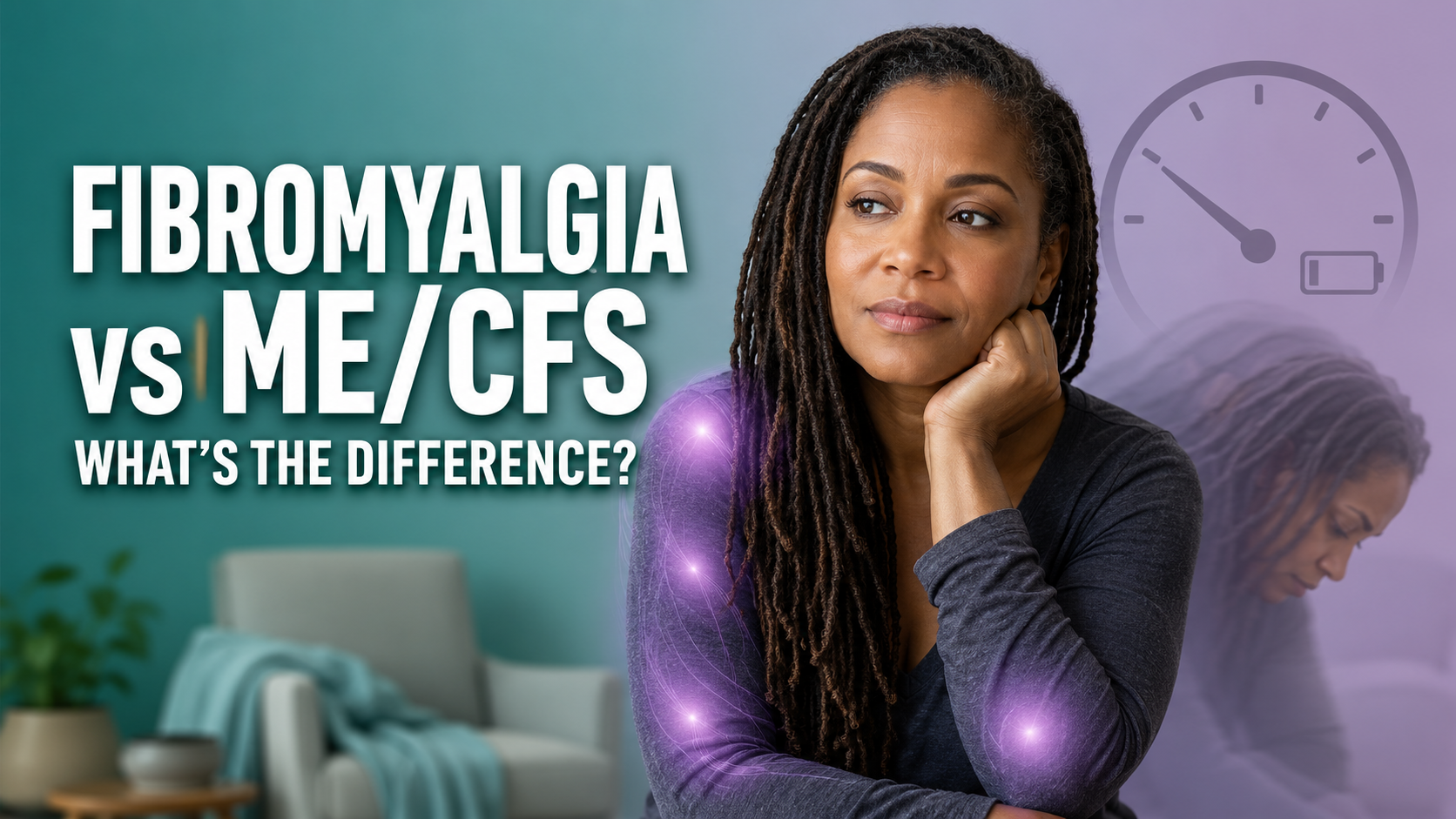
The Relationship Between Fibromyalgia And Chronic Fatigue Syndrome
Fibromyalgia and ME/CFS can both cause severe fatigue, pain, unrefreshing sleep and brain fog, but they are different conditions. Learn why post-exertional malaise is a key distinction, how someone can have both diagnoses and why activity must be managed differently.

Understanding Fibromyalgia
Posted on:
Diagnosing Fibromyalgia: What To Expect at your appointment
Diagnosing fibromyalgia involves more than checking tender points. Learn what to expect during your appointment, including symptom-history questions, physical examination, possible blood tests, modern diagnostic criteria and conditions your doctor may consider.

Understanding Fibromyalgia
Posted on:
What Is Fibromyalgia And How Does It Affect The Body?
Fibromyalgia is a chronic condition that affects how the nervous system processes pain. Discover how it can influence the muscles, sleep, energy, memory, digestion, mood, and everyday activities—and how doctors diagnose and manage its symptoms.