Managing Fibromyalgia Pain Holistically: What May Actually Help
Holistic fibromyalgia care does not mean rejecting medication or chasing a miracle cure. It means treating the whole person—pain, sleep, movement, stress, fatigue and daily function—using a coordinated plan that combines appropriate medical care with safe non-drug strategies.
What does holistic fibromyalgia treatment mean?
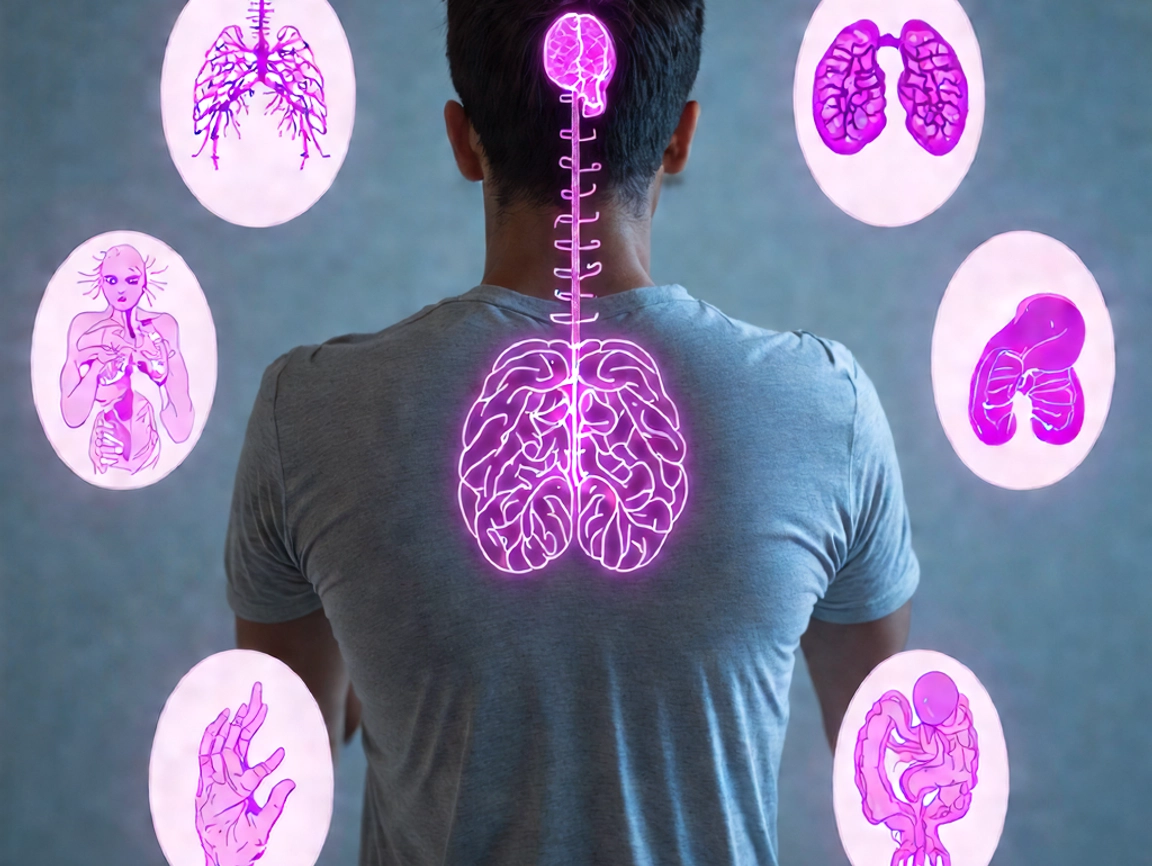
Fibromyalgia involves widespread pain and increased pain sensitivity, along with symptoms such as fatigue, unrefreshing sleep and cognitive difficulty. It is not an inflammatory arthritis and does not directly damage muscles or joints. A holistic plan addresses the factors that affect symptoms and function without assuming one therapy can fix everything.
That plan may include medication, physical therapy, gradual exercise, treatment for a sleep disorder, cognitive behavioral therapy, stress-management skills and selected complementary approaches. Read Recognizing Fibromyalgia Symptoms in Women for a broader symptom overview.
Holistic strategies: evidence at a glance
| Strategy | What the evidence suggests | Important caution |
|---|---|---|
| Gradual aerobic and strengthening exercise | A central part of routine fibromyalgia care; may improve pain, function and overall well-being. | Start below your current limit and increase slowly. |
| Sleep evaluation and treatment | May reduce the burden of unrefreshing sleep and address coexisting insomnia, apnea or restless legs. | Do not assume every sleep problem is simply fibromyalgia. |
| CBT and coping-skills training | Can help people respond to pain, stress and activity challenges more effectively. | It does not mean pain is imaginary. |
| Tai chi, yoga and mindfulness | Some studies are promising, but evidence is not strong enough for definite conclusions. | Modify movements and use qualified instruction. |
| Massage | May provide short-term relief for some people. | Fibromyalgia massage should not be forceful or painful. |
| Acupuncture | Research is mixed; benefit remains uncertain. | Use a properly trained practitioner and sterile needles. |
| Supplements | Vitamin D may help pain when deficiency is confirmed; evidence for many other products is insufficient. | Interactions, contamination and excessive doses can cause harm. |

1. Begin with movement you can recover from
Regular exercise is one of the most consistently recommended fibromyalgia treatments. That does not mean pushing through severe symptoms. Walking, water exercise, stationary cycling, gentle strengthening or adapted tai chi may be reasonable starting points.
- Begin with a duration that feels manageable—even a few minutes.
- Keep the effort easy enough that you can recover.
- Increase only one variable at a time: duration, frequency or intensity.
- Reduce the plan during a flare instead of abandoning movement completely.
- Ask a physical therapist to adapt movements for balance, joint or mobility concerns.
For a step-by-step approach, see Exercise and Fibromyalgia: Finding the Right Balance.
2. Treat sleep as part of pain care
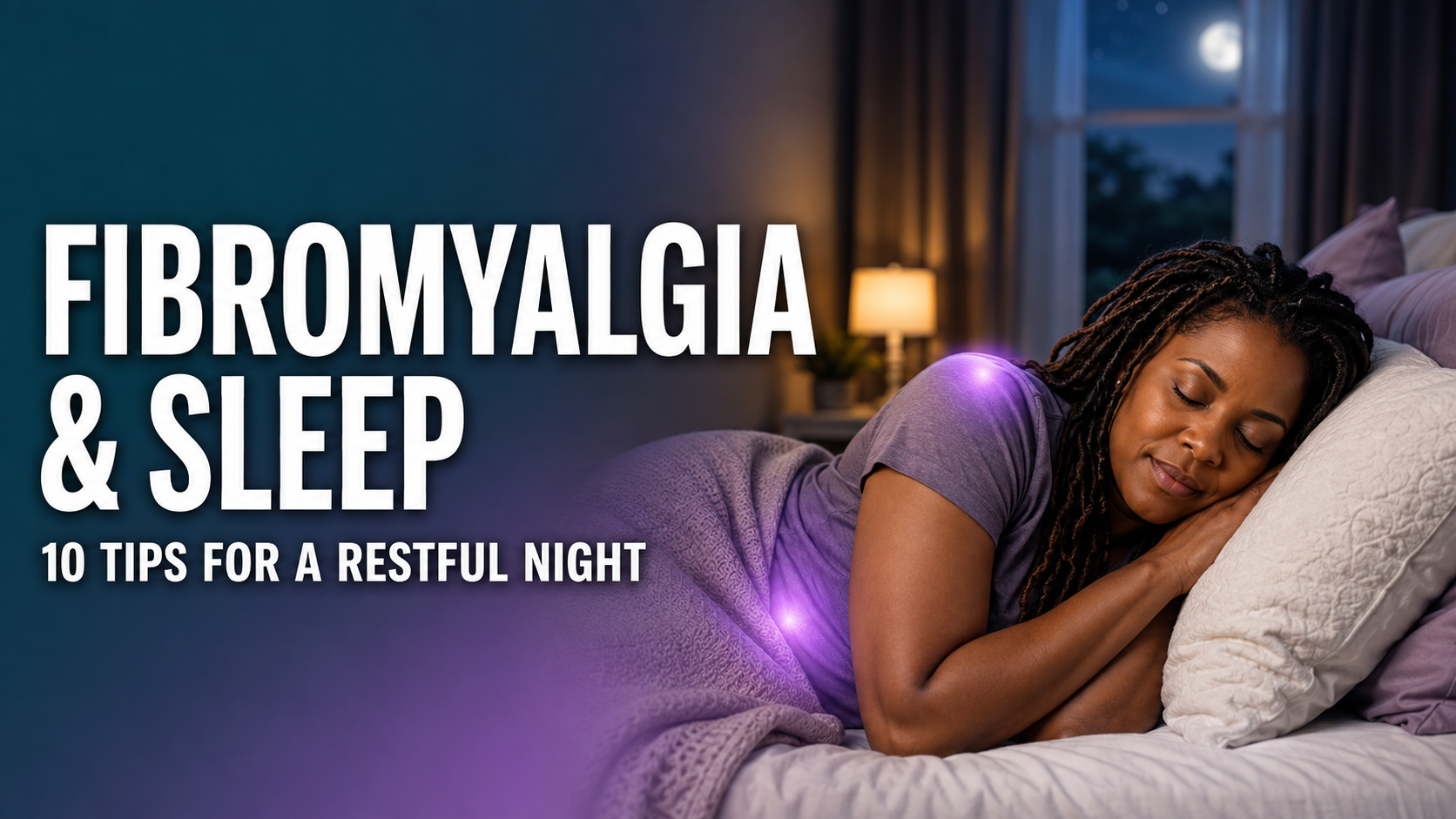
Pain can interrupt sleep, and fragmented sleep can increase fatigue and pain sensitivity. Keep a consistent wake time, create a wind-down routine and make the bedroom comfortable—but seek evaluation when basic changes do not help.
Snoring, gasping, repeated awakenings, morning headaches, an urge to move the legs or significant daytime sleepiness may point to a separate sleep problem. Use the troubleshooting guide Overcoming Sleep Issues in Fibromyalgia to prepare for an appointment.
3. Build a flare-day plan before you need it
Write down which essential tasks can be postponed, who can help and which clinician-approved comfort measures are safe for you. During a flare, reduce demands, protect sleep, eat and hydrate regularly, and use gentle movement as tolerated. Return to normal activity gradually rather than trying to “catch up” in one day.
4. Use mind-body skills without dismissing physical pain
Chronic pain places a real demand on attention, mood and the nervous system. CBT, mindfulness, paced breathing and relaxation training may improve coping and quality of life. These approaches teach skills for responding to pain; they do not claim that fibromyalgia is “all in your head.”
Try one short practice consistently for two to four weeks—for example, five minutes of slow breathing or a brief guided body scan—then judge whether it changes tension, sleep or daily function.
5. Consider complementary therapies realistically
Tai chi and adapted yoga
These combine movement, breathing and relaxation. Some studies report promising results, but high-quality evidence remains limited. Tell the instructor about your symptoms and avoid positions that cause sharp pain, dizziness or prolonged worsening.
Massage
Gentle massage may provide short-term symptom relief. Ask the therapist to begin with light pressure, avoid highly sensitive areas and stop if treatment is painful. “No pain, no gain” is not appropriate for fibromyalgia massage.
Acupuncture
Evidence for fibromyalgia pain is mixed. If you try it, choose an experienced, appropriately licensed practitioner who uses sterile, single-use needles. Discuss bleeding risk, pregnancy, infection concerns and medications beforehand.
Heat and warm-water activity
A warm shower, heating pad or warm-water pool may temporarily ease stiffness or help relaxation. Protect the skin, limit temperature and duration, and avoid heat when sensation is reduced or a clinician has advised against it.
6. Eat for overall health—not an unsupported cure
No specific diet has been proven to cure fibromyalgia. A balanced eating pattern with vegetables, fruit, whole grains, protein and healthy fats can support general health and steady energy. Regular meals and adequate fluids may be more practical than restrictive “detox” plans.
Fibromyalgia itself is not an inflammatory disease, so claims that one anti-inflammatory food plan will eliminate the condition are misleading. If certain foods appear to worsen digestive symptoms, track them and consult a registered dietitian before removing entire food groups.
7. Be especially careful with supplements
“Natural” does not mean harmless. Supplements can interact with prescriptions, cause side effects and contain doses that are inappropriate for you. Vitamin D may reduce pain when a deficiency is confirmed, but taking high doses without testing and guidance can be harmful. Evidence for magnesium and many herbs remains insufficient.
8. Keep medical treatment connected to the plan
Holistic care is integrative, not medication-free. A clinician may recommend medication for pain or related symptoms alongside non-drug approaches. Benefits and side effects vary, so review the goal of each medicine and how you will measure whether it is helping. Read What Is the Number One Medication for Fibromyalgia? for an overview.

Create your personal four-week plan
- Choose one priority. Examples include walking to the mailbox, sleeping more consistently or preparing a meal with less exhaustion.
- Record a baseline. Note pain, energy, sleep and one functional measure for seven days.
- Add one strategy. Changing several things at once makes it difficult to know what helped.
- Set a small dose. Choose a level you can repeat, not your best-day maximum.
- Review after two to four weeks. Continue, adapt or stop based on benefit, side effects, cost and recovery.
- Share results with your care team. Bring a one-page summary to appointments.
When new pain needs medical attention
Do not automatically attribute every symptom to fibromyalgia. Seek urgent care for chest pain, severe breathing difficulty, fainting, sudden weakness or numbness on one side, new confusion, loss of bladder or bowel control, or thoughts of self-harm. Arrange an evaluation for fever, hot or swollen joints, progressive weakness, unexplained weight loss, new rash or pain that is distinctly different from your usual pattern.
Frequently asked questions
Can fibromyalgia be treated naturally?
Non-drug strategies can be valuable parts of treatment, especially gradual exercise, sleep care and coping skills. They do not cure fibromyalgia and may be combined with medication or other medical care.
What holistic treatment has the strongest evidence?
Regular, gradual exercise has the clearest routine role. The best program is individualized and sustainable rather than intense.
Is fibromyalgia caused by inflammation?
Fibromyalgia is not classified as an inflammatory or autoimmune disease. It can coexist with inflammatory conditions, which require separate evaluation and treatment.
Does massage help fibromyalgia?
Massage may provide short-term relief for some people, but evidence is limited. Pressure should begin gently and should not cause significant pain.
Are yoga and tai chi safe?
They are generally considered safe when adapted appropriately and taught by a qualified instructor. Stop movements that cause sharp pain, dizziness or sustained worsening.
What is the best supplement for fibromyalgia pain?
No supplement is universally best. Vitamin D may help when deficiency is confirmed. Discuss testing, dosage and interactions before starting anything.
How long should I try a new strategy?
Unless side effects require an earlier stop, tracking one manageable change for two to four weeks may reveal whether it improves function, pain, sleep or recovery. Review the result with your clinician.
The bottom line
Holistic fibromyalgia pain management works best as a coordinated, realistic plan—not a collection of miracle claims. Start with gradual movement, address sleep, practice pacing and choose complementary therapies according to evidence, safety and personal response. Improvement may be gradual, but small repeatable steps can be meaningful.
Trusted sources
Medical disclaimer: This article is for general education and does not replace personalized medical advice, diagnosis or treatment. Consult a qualified healthcare professional before changing medication, supplements, exercise or other treatment.