Juicing Your Way to Relief: Recipes for Managing Fibromyalgia Symptoms
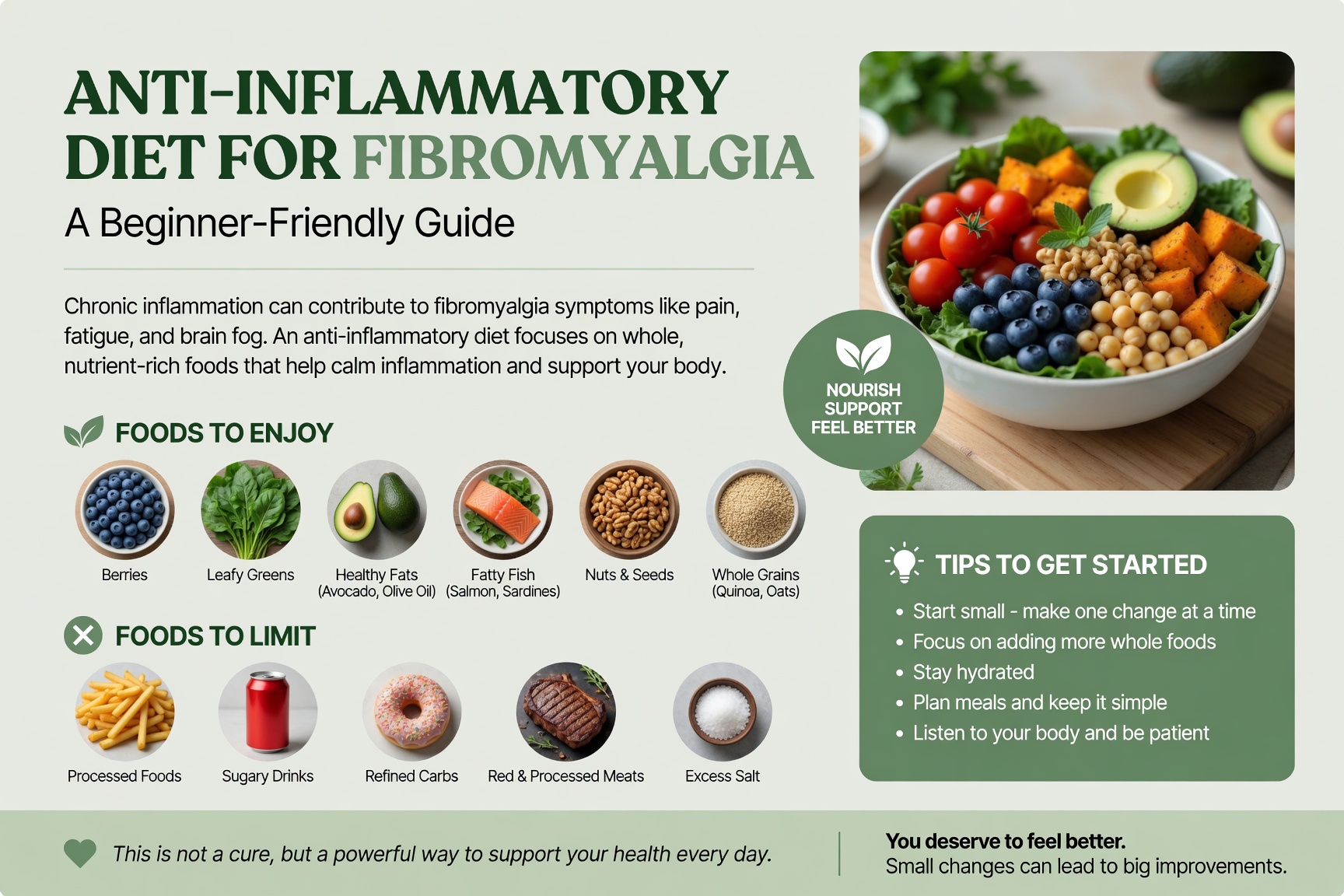
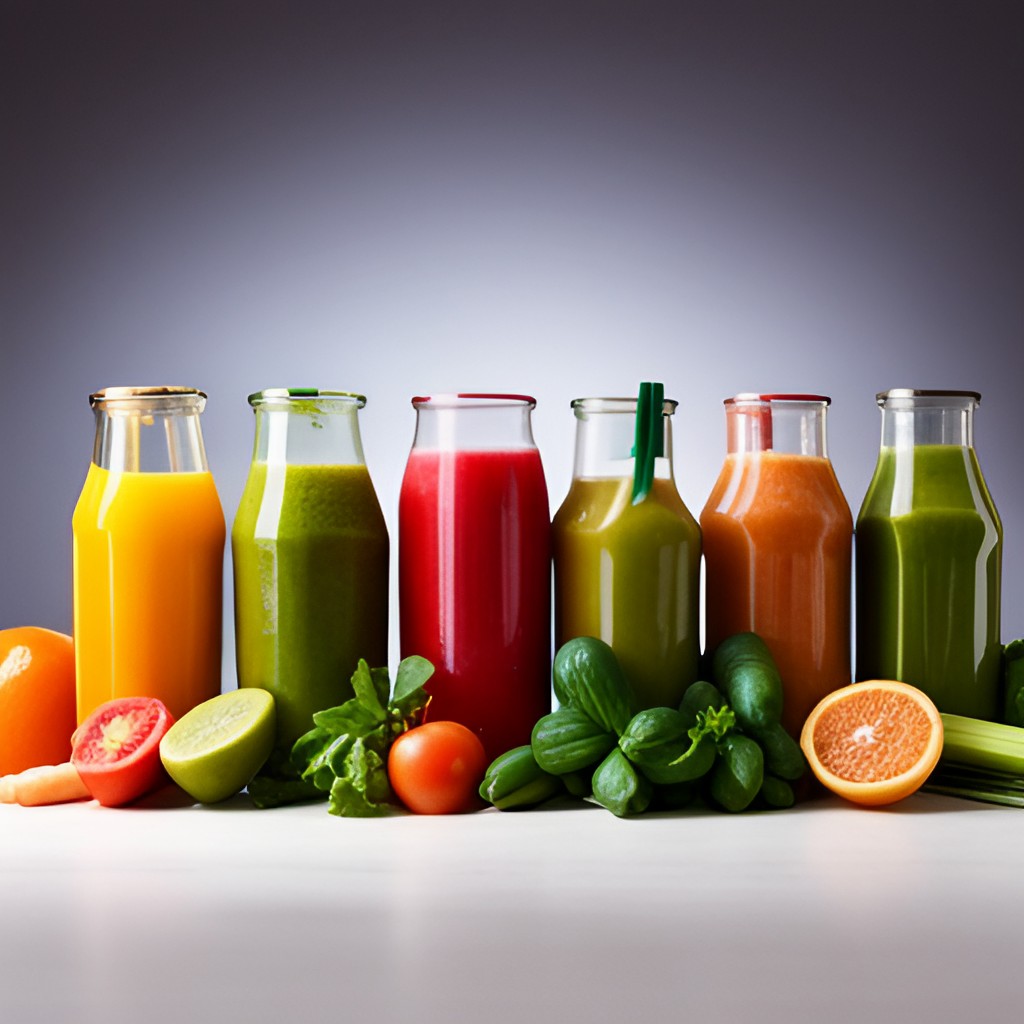
Fresh juice can be a convenient way to add fluids and produce to your routine, but it is not a cure for fibromyalgia. These vegetable-forward recipes are designed as small additions to balanced meals—not meal replacements or detox treatments.

What the evidence says about diet, juice and fibromyalgia
Fibromyalgia is a chronic pain-processing condition involving widespread pain, fatigue and sleep problems. Nutrition matters for overall health, but no juice, food or “detox” plan has been proven to correct the root cause of fibromyalgia.
The National Center for Complementary and Integrative Health notes that evidence for most dietary supplements in fibromyalgia is insufficient. Its fibromyalgia evidence review discusses limited research on vitamin D, especially for people who are deficient, but that does not mean juice or supplements are universal treatments.
Juicing removes much of the pulp where fiber is found. The CDC recommends whole fruit instead of juice for people managing blood sugar because juice makes it easy to consume more sugar at once while missing fiber. This is why the recipes below use vegetables as the base, limit sweeter fruit and suggest modest portions.
How to juice more wisely
- Build around vegetables. Use cucumber, celery, leafy greens or tomato as the base and smaller amounts of fruit for flavor.
- Keep portions modest. About 4 to 6 ounces may be enough to complement a meal. Needs vary, especially with diabetes or kidney disease.
- Do not add sugar. Fruit already contributes natural sugars.
- Keep the fiber elsewhere. Eat beans, oats, vegetables, nuts, seeds and whole fruit during the day—or choose a blended smoothie instead.
- Pair rather than replace. Have juice with a source of protein, fiber or healthy fat instead of using it as breakfast by itself.
- Track your response. Note digestion, energy, sleep, pain and blood sugar if monitored. One person’s “healthy” ingredient may aggravate another person’s reflux, IBS or migraine.

Five vegetable-forward juice recipes
Wash all produce thoroughly under running water before cutting. Ingredient sizes and juicer yields vary. Each recipe is intended to make roughly one small serving; dilute with cold water if desired.
1. Cucumber Green Refresher
- ½ large cucumber
- 2 celery stalks
- 1 packed cup baby spinach
- ½ small green apple
- ½ lemon, peeled
- Small piece fresh ginger, optional
Directions: Juice the cucumber, celery, spinach, apple, lemon and ginger. Stir, then dilute to taste. Start with a smaller portion if raw greens affect your digestion.
2. Carrot Citrus Ginger
- 2 medium carrots
- ½ orange, peeled
- ½ cucumber
- ½-inch piece fresh ginger
- Cold water as desired
Directions: Juice all produce, stir and dilute. Ginger has a strong flavor and can aggravate heartburn in some people, so begin with less if needed.
3. Beet and Berry Blend
- ½ small raw beet, scrubbed and trimmed
- ½ cucumber
- ½ cup blueberries or raspberries
- ½ lemon, peeled
- Cold water as desired
Directions: Juice the beet, cucumber, berries and lemon. Stir and dilute. Beet can temporarily turn urine or stool pink or red. People prone to certain kidney stones should ask a clinician about high-oxalate foods.
4. Tomato Garden Juice
- 2 medium ripe tomatoes
- 1 celery stalk
- ½ cucumber
- Small handful parsley
- Squeeze of lemon
- Black pepper, optional
Directions: Juice the vegetables and parsley, then add lemon and pepper. Skip added salt or choose carefully if you have been advised to limit sodium. Tomato and citrus may aggravate reflux.
5. Pear, Fennel and Cucumber
- ½ small pear
- ½ cucumber
- ½ small fennel bulb
- 1 celery stalk
- Squeeze of lemon, optional
Directions: Juice all ingredients and stir. Pear can worsen bloating or IBS symptoms for some people, so substitute a small amount of berries or omit fruit if necessary.
Fiber-Preserving Smoothie Option
- ½ cup berries
- ½ cup plain unsweetened yogurt or suitable alternative
- ½ cup spinach
- 1 tablespoon ground chia or flax, if tolerated
- Water and ice to blend
Directions: Blend until smooth. Unlike extracted juice, this keeps fiber and adds protein when made with yogurt. Check labels for added sugar and choose ingredients appropriate for allergies and medical needs.
Juice safety and medication considerations
- Have diabetes, prediabetes or episodes of low blood sugar.
- Have kidney disease, fluid restrictions or limits on potassium, phosphorus or oxalate.
- Take warfarin or another medicine affected by vitamin K intake.
- Take a medicine that interacts with grapefruit or other foods.
- Are pregnant, older, immunocompromised or otherwise at higher risk from foodborne illness.
- Have IBS, reflux, food allergies or a history of kidney stones.
Homemade fresh juice is unpasteurized. Wash hands and produce, keep the juicer and cutting surfaces clean, refrigerate juice promptly and discard it if it has been left warm or appears spoiled. The FDA’s juice-safety guidance warns that untreated juice can contain harmful bacteria; higher-risk people should choose pasteurized products or follow individualized medical advice.
Can juice interact with medicine?
Yes. Grapefruit is the best-known example, but medication-food interactions vary. Large, sudden changes in leafy-green intake can also matter for people taking warfarin. This article intentionally avoids grapefruit, yet you should still ask a pharmacist about your complete medication list. Do not stop or alter medicine because of a juice recipe.
What if juicing makes fatigue worse?
A juice-only breakfast may not provide enough protein, fat or fiber to sustain energy. Try a smaller portion alongside eggs, plain yogurt, tofu, nuts or another appropriate protein source. Persistent or worsening fatigue deserves evaluation because anemia, thyroid disease, sleep disorders and other conditions can overlap with fibromyalgia. Read our overview of how fibromyalgia affects the body.
Frequently asked questions
Can juicing cure fibromyalgia?
No. No juice or detox plan has been proven to cure fibromyalgia. Juice can be one way to consume produce, but established management may include gradual movement, sleep support, medication, behavioral strategies and treatment of overlapping conditions.
What is the best juice for fibromyalgia?
There is no medically established “best” juice. A modest, vegetable-forward option with limited fruit is generally more balanced than a large fruit-heavy drink. Your health conditions, medications and digestive tolerance matter.
Is celery juice proven to help fibromyalgia?
No strong clinical evidence shows that celery juice treats fibromyalgia. Celery can be part of a varied diet, but dramatic detox or healing claims are not supported.
Should I juice every day?
Not necessarily. Whole produce provides more fiber, and juice is not required for a healthy diet. If you enjoy it, consider a small serving within a balanced eating pattern and ask a clinician if you have diabetes, kidney disease or medication concerns.
Is a smoothie better than juice?
A smoothie typically retains fiber and can include protein or healthy fat, making it more filling. It can still become high in sugar or calories when made with large amounts of fruit, sweetened yogurt, juice or syrups.
Can juice reduce inflammation?
Fruits and vegetables contain nutrients and plant compounds, but fibromyalgia is not classified as an inflammatory disease. A nutritious eating pattern supports overall health; one drink should not be expected to switch inflammation or pain off.
Can I use juice instead of fibromyalgia medicine?
No. Do not replace prescribed treatment with juice unless the prescribing clinician directs a change. If medicine is not helping or causes side effects, discuss alternatives with your healthcare professional.
How can I tell whether a recipe helps?
Change one thing at a time and keep a brief log of the ingredients, portion, pain, energy, sleep, digestion and any blood-sugar readings you routinely monitor. Look for a repeatable pattern rather than judging from one good or bad day.
The bottom line
Juicing can be an enjoyable way to add variety and fluids, but it is not a fibromyalgia treatment by itself. Favor vegetables, limit sweeter fruit, keep portions modest, preserve fiber elsewhere in the diet and pair juice with balanced food. Your safest plan is one that fits your medications, blood sugar, kidney health and digestive needs.
Medical and nutrition note: This article provides general education and is not a personalized diet or treatment plan. Consult a qualified healthcare professional or registered dietitian about symptoms, medical conditions, medication interactions and significant dietary changes.