Coping With Fibromyalgia Flares
A fibromyalgia flare can suddenly intensify pain, fatigue, stiffness, poor sleep and fibro fog. A calm, flexible plan can help you reduce demands, manage symptoms safely and return to normal activity without starting another push-and-crash cycle.

What is a fibromyalgia flare?
A flare is a temporary increase in fibromyalgia symptoms beyond your usual baseline. It may involve more widespread pain, tenderness, stiffness, exhaustion, unrefreshing sleep, headaches, sensory sensitivity, digestive symptoms or difficulty concentrating. Flares can last hours, days or longer, and their intensity varies.
Fibromyalgia affects pain processing and does not usually cause progressive joint or muscle damage. That does not make a flare mild or imaginary. The CDC’s fibromyalgia overview recognizes pain, fatigue, emotional and mental distress and sleep problems as major effects of the condition.
Understanding how fibromyalgia affects the body can make it easier to recognize your usual symptom pattern without assuming every new problem is a flare.
What can trigger a fibromyalgia flare?
Sometimes there is no obvious trigger. In other cases, a flare may follow:
- Doing much more physical or mental activity than usual.
- Too little activity followed by a sudden increase.
- Poor sleep or a change in sleep schedule.
- Emotional stress, conflict, grief or major life changes.
- An infection, injury, surgery or another illness.
- Cold, damp weather or temperature changes for some people.
- Travel, prolonged sitting or disruption of routine.
- Changes in medication or missed doses.
- Menstrual or menopausal changes in some women.
MedlinePlus notes that physical activity, cold or damp weather, anxiety and stress may worsen pain. These are possible patterns, not universal rules. A simple symptom log can help you identify repeatable personal triggers without blaming yourself for every flare.
A practical fibromyalgia flare-day plan
Pause and assess what changed
Ask: Is this my familiar flare pattern? Did pain change location or character? Is there swelling, fever, injury, new weakness, chest pain or another warning sign? Write down when the change began.
Lower today’s demands
Choose the one or two tasks that truly must happen. Postpone, shorten, delegate or simplify the rest. Use grocery delivery, easy meals or help from a trusted person when available.
Follow your prescribed treatment plan
Take regular medicine exactly as directed. Use any clinician-approved flare instructions. Do not double doses, borrow medication, restart an old prescription or stop medicine abruptly without professional guidance.
Support hydration and steady nutrition
Sip fluids and eat simple, balanced foods at regular intervals. Skipping meals can worsen weakness, headache or medication-related stomach upset. Choose options you tolerate rather than beginning a restrictive “detox.”
Use heat or cooling safely
A warm shower, heating pad or heated wrap may relax some people; others prefer a cool pack for headache or localized discomfort. Protect the skin, follow product directions and avoid falling asleep on a heating pad.
Keep movement gentle
Try brief position changes, slow range-of-motion movements or a short easy walk if safe. A flare is usually not the time to increase exercise intensity, but complete bed rest can add stiffness and deconditioning.
Reduce sensory and mental load
Dim lights, lower noise, silence nonessential alerts and break decisions into one step at a time. Use written reminders when fibro fog makes memory unreliable.
Protect the next sleep period
Keep a reasonably consistent bedtime, create a dark and quiet room and avoid using alcohol as a sleep treatment. Long late-day naps may disrupt nighttime sleep, though a brief planned rest may help some people.
Return gradually
When symptoms ease, do not immediately “catch up” on everything. Resume activity in stages and leave recovery space. This helps reduce the chance of another boom-and-bust cycle.
The MedlinePlus fibromyalgia guide recommends balancing activity with rest, starting physical activity slowly and gradually increasing it. The goal is sustainable function—not proving how much pain you can push through.
A simple 60-second calming exercise
Sit or lie in a supported position. Relax your jaw and shoulders if possible. Inhale gently through your nose, then let the exhale last a little longer than the inhale. Repeat without forcing deep breaths. Name three things you can see, two things you can feel and one thing you can hear. This does not erase fibromyalgia; it may help reduce the additional muscle tension and alarm that accompany a difficult flare.
What not to do during a flare
- Do not force your normal schedule. Ignoring early warning signs may extend the push-crash cycle.
- Do not remain completely inactive for days without medical guidance. Prolonged immobility may worsen stiffness, weakness and sleep.
- Do not change medication doses on your own. More medicine is not automatically safer or more effective.
- Do not begin an extreme cleanse, fast or punishing workout. A flare is a time to stabilize, not shock the body.
- Do not assume every symptom is fibromyalgia. New or alarming symptoms deserve evaluation.
- Do not shame yourself. A flare does not mean you failed at treatment or self-care.
For more detail, read what not to do when you have fibromyalgia.
Build a personal flare-care kit

Your kit does not need to be expensive. Keep useful items together and review them periodically.
- A one-page list of prescribed medications, allergies, clinicians and emergency contacts.
- Your clinician-approved flare instructions and pharmacy number.
- A refillable water bottle and easy shelf-stable snacks appropriate for your health needs.
- A heating wrap or cool pack with safe-use instructions.
- An eye mask, earplugs or headphones for sensory sensitivity.
- Comfortable layers, supportive pillows and simple hygiene supplies.
- A short list of people who can help with transportation, meals, pets or errands.
- A written “minimum day” plan for meals, medicine, hydration, rest and essential responsibilities.
Track patterns without turning life into a spreadsheet
Record only the information you may actually use: sleep quality, unusual activity, stress, illness, weather if relevant, medication changes and symptom severity. After several weeks, look for repeated patterns. Avoid assuming that one food or event caused a flare after a single coincidence.
If frequent flares affect work or household responsibilities, discuss treatment adjustments and accommodations with your care team. Our post Is Fibromyalgia a Disability? explains the difference between workplace accommodations and disability benefits.
When should you call a doctor?
Contact your healthcare professional when a flare is much more severe than usual, lasts longer than your typical pattern, becomes increasingly frequent or no longer responds to the plan that previously helped. A clinician can review sleep, medications, mood, activity, hormonal changes and overlapping conditions.
- Chest pain, severe breathing difficulty, fainting or signs of stroke.
- Sudden one-sided weakness, facial drooping, confusion or trouble speaking.
- New loss of bowel or bladder control, especially with back pain or leg weakness.
- High fever, stiff neck, severe dehydration or rapidly worsening illness.
- A hot, visibly swollen joint or major injury.
- Thoughts of suicide or immediate danger to yourself or someone else. In the United States, call or text 988 for crisis support; call 911 for an immediate emergency.
These symptoms are not typical flare symptoms and should not be watched at home simply because you have fibromyalgia. If your care feels fragmented, see our guide to choosing a doctor for fibromyalgia.
Frequently asked questions
How long does a fibromyalgia flare last?
There is no fixed duration. A flare may last hours, several days or longer. Contact your clinician if symptoms are unusually severe, persist beyond your normal pattern or continue worsening.
What does a fibromyalgia flare feel like?
It often feels like an increase in familiar symptoms: widespread aching or burning pain, stiffness, heavy fatigue, poor sleep, headaches, sensory sensitivity and fibro fog. Your pattern may differ.
What is the fastest way to calm a flare?
No method stops every flare instantly. Responding early by reducing demands, following prescribed treatment, supporting hydration and sleep, using safe comfort measures and avoiding overexertion may help the flare become more manageable.
Should I exercise during a flare?
Scale back intensity and avoid forcing a usual workout. Gentle movement and position changes may help prevent stiffness if they are safe and tolerated. Ask a clinician or physical therapist for guidance tailored to your health.
Can stress cause a fibromyalgia flare?
Stress can worsen symptoms for some people, but it is not the only trigger and does not make fibromyalgia psychological or imaginary. Illness, sleep loss, activity changes and other factors may also contribute.
Should I stay in bed during a flare?
Extra rest may be necessary, but prolonged bed rest can increase stiffness and deconditioning. Alternate supported rest with brief, gentle movement when medically safe.
What foods help during a flare?
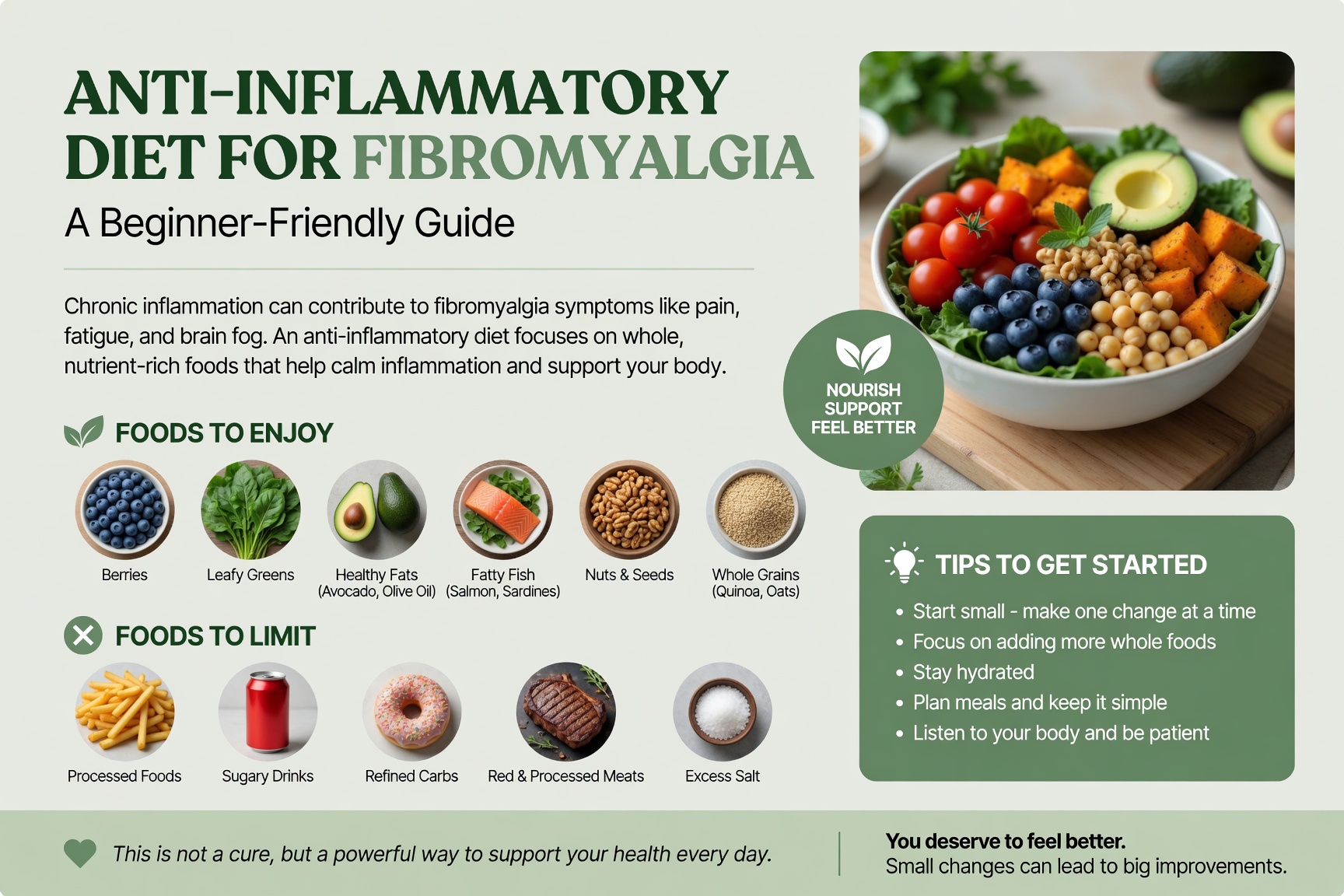
No food has been proven to stop a flare. Choose easy, balanced foods you tolerate and maintain fluids. If cooking is difficult, prepare simple options in advance. Avoid extreme diets and watch blood sugar or other medical restrictions.
Why are my flares becoming more frequent?
Possible reasons include sleep problems, increased demands, medication changes, stress, another illness or an overlapping condition. Keep a brief record and discuss the change with your healthcare professional rather than assuming it is inevitable.
The bottom line
Coping with a fibromyalgia flare is not about pushing harder or finding one miracle remedy. It is about recognizing the change, ruling out warning signs, lowering demands, using your treatment plan safely and returning to activity gradually. Preparing a simple flare plan when symptoms are steadier can make difficult days less overwhelming.
Medical note: This article provides general education and is not a diagnosis, emergency assessment or personalized treatment plan. Consult a qualified healthcare professional about new, severe, persistent or changing symptoms and before changing medicine or exercise.