Natural Remedies for Fibromyalgia
Natural and non-drug approaches may help reduce fibromyalgia symptoms for some people, especially when used as part of a broader treatment plan. The strongest options focus on gradual movement, restorative sleep, stress regulation and carefully selected complementary therapies—not miracle cures or detoxes.

Natural does not automatically mean safe or effective
“Natural remedy” can describe anything from walking and sleep habits to herbs, supplements and hands-on treatments. These approaches differ greatly in evidence, cost and risk. Some are useful additions to care; others rely mostly on testimonials or make claims that research has not confirmed.
Fibromyalgia involves altered pain processing and is not currently classified as an inflammatory or autoimmune disease. A therapy may still help a symptom without correcting the root cause of fibromyalgia.
Natural remedies for fibromyalgia compared
| Approach | What research suggests | Main cautions |
|---|---|---|
| Low-impact aerobic and strength exercise | An important part of standard fibromyalgia care; may improve function, sleep and symptoms when started gradually. | Doing too much too soon may cause a flare; adapt for other conditions. |
| Tai chi, qigong and yoga | Some promising results for pain, fatigue, sleep, mood and quality of life, but evidence is not definitive for every practice. | Modify poses and intensity; use a qualified instructor. |
| Acupuncture | Low-to-moderate quality evidence suggests it may help fibromyalgia pain for some people. | Use a licensed practitioner and sterile, single-use needles; bruising or soreness may occur. |
| Massage | Some studies suggest a course of massage may reduce pain and other symptoms. | Deep pressure can worsen tenderness; disclose blood thinners, osteoporosis and skin problems. |
| Warm-water or spa therapy | Evidence suggests mineral-water bathing or related approaches may help some symptoms. | Heat may cause dizziness or low blood pressure; avoid unsafe temperatures. |
| Mindfulness and relaxation | May help stress and coping; fibromyalgia-specific evidence is limited or mixed. | Not a replacement for medical or mental health care. |
| Vitamin D | May reduce pain in some people who have a documented deficiency; evidence is not a universal recommendation. | Excess can be harmful; test and dose with professional guidance. |
| Other supplements | Evidence is generally insufficient for relieving fibromyalgia pain. | Interactions, contamination, inaccurate doses and side effects are possible. |
The National Center for Complementary and Integrative Health describes fibromyalgia research on these approaches as preliminary overall. Its evidence review reports encouraging findings for several mind-body and hands-on therapies while emphasizing study limitations.
1. Gradual movement: the strongest place to start
The NIAMS treatment guidance recommends starting physical activity at a low level and increasing gradually. Walking, cycling, swimming, water exercise and strength training can be adapted to current ability.
- Choose one activity that feels accessible.
- Begin below the amount you believe you can tolerate.
- Keep intensity easy enough to recover predictably.
- Change only one variable—time, intensity or frequency—at once.
- Reduce and reassess if symptoms remain substantially worse.
- Ask a physical therapist for help when pain, balance or disability complicates movement.
Exercise is not a test of willpower. Consistency matters more than intensity. Learn how to avoid the push-crash cycle in what not to do when you have fibromyalgia.
2. Tai chi, qigong and gentle yoga
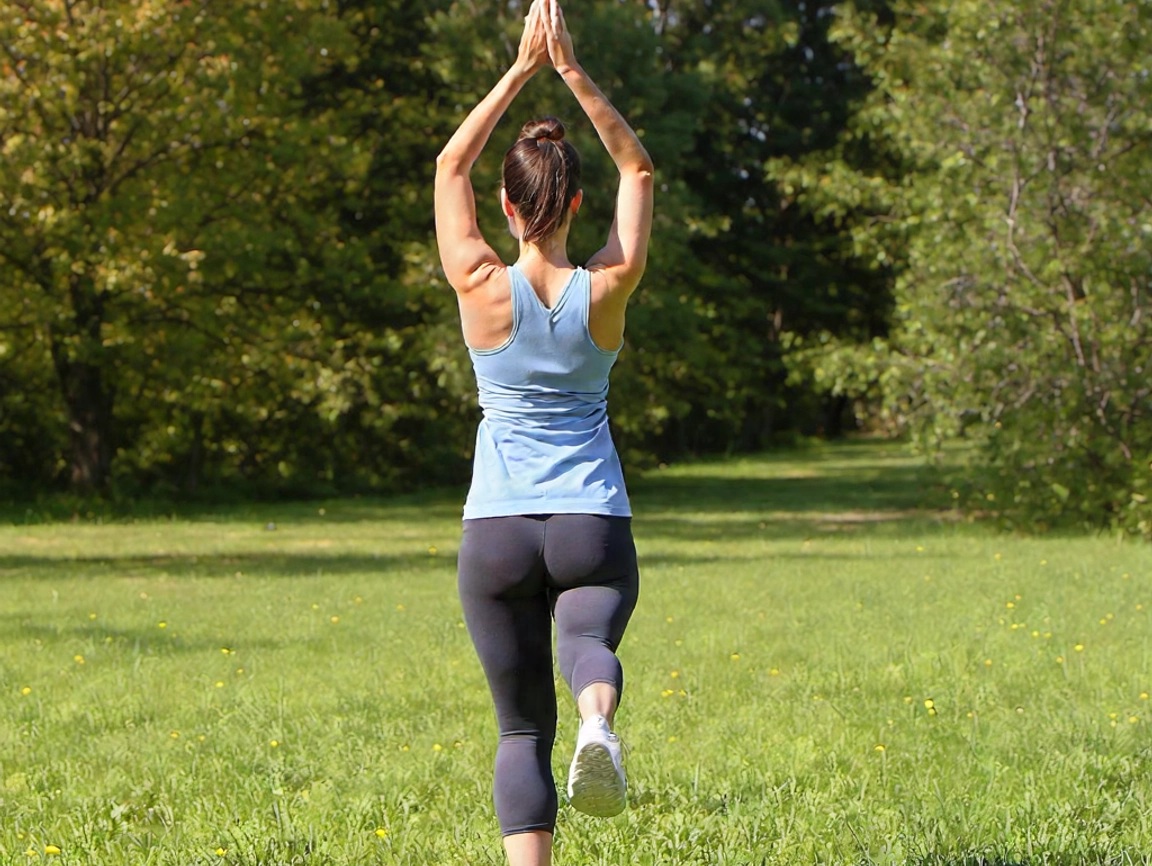
These practices combine movement, breathing, balance and attention. Some people find the combination easier to tolerate than conventional workouts. Choose beginner or therapeutic instruction, avoid painful end-range positions and use a chair, wall or props as needed.
3. Sleep and pacing
Sleep is not a trendy remedy, but it is central to symptom management. Keep a steady sleep schedule, build a wind-down routine and discuss snoring, gasping, restless legs or severe daytime sleepiness with a clinician. Pacing activity and rest may reduce repeated flares and help conserve energy. See managing fibromyalgia fatigue for a detailed plan.
4. Mindfulness, breathing and relaxation
These techniques do not prove that fibromyalgia is psychological. They may reduce the extra muscle tension, distress and sleep disruption that accompany chronic pain. Try a short, comfortable practice rather than forcing long meditation sessions that increase frustration.
5. Acupuncture, massage and heat

Acupuncture
Evidence summarized by NCCIH suggests acupuncture may help pain associated with fibromyalgia. Response varies, and benefit is not guaranteed. Verify licensing requirements in your state, ask about sterile single-use needles and tell the practitioner about pregnancy, bleeding disorders, immune suppression or blood-thinning medication.
Acupressure avoids needles but has less certain fibromyalgia evidence. Read more about acupressure therapy for chronic pain.
Massage
Gentle massage may support relaxation and temporarily reduce discomfort for some people. “No pain, no gain” is not appropriate for heightened tenderness. Ask for light pressure, shorter sessions and the option to stop. Massage should not be performed over infection, an acute injury, a blood clot or certain skin conditions.
Heat, warm baths and water therapy
A warm shower, bath or heating pad may ease stiffness or muscle tension. Protect the skin, limit duration, follow device directions and never fall asleep on a heating pad. People with reduced sensation, circulation problems, pregnancy, low blood pressure or heart conditions should request individualized guidance.
6. Nutrition and supplement reality checks
No specific diet has been proven to cure fibromyalgia. A varied eating pattern with vegetables, fruit, whole grains, legumes, protein sources and healthy fats can support general health. If IBS, migraine, diabetes, kidney disease or food allergy affects you, nutrition should be individualized.
Juice can add produce but removes much of its fiber and may deliver sugar quickly. Our updated guide to juicing with fibromyalgia includes vegetable-forward recipes and safety considerations.
What about magnesium, turmeric, CBD and herbal products?
These products are widely promoted, but popularity is not proof. NCCIH reports insufficient evidence that most dietary supplements relieve fibromyalgia pain. Product strength and purity can vary, and supplements may affect bleeding, sedation, liver function or prescribed medicines.
The FDA warns that supplements can interact with medicines and that “natural” does not mean safe. Bring photos or a complete list of every supplement to your doctor or pharmacist before starting one.
- Promises to cure fibromyalgia quickly or permanently.
- Claims that one parasite, toxin, food or deficiency causes every case.
- Products with secret blends or no clear dose.
- Testimonials used instead of controlled research.
- Instructions to stop prescribed treatment.
- Large upfront packages or pressure to buy immediately.
How to try a natural remedy safely
- Choose one goal. Decide whether you are targeting sleep, pain, fatigue, stress or function.
- Check interactions and contraindications. Ask a clinician or pharmacist, especially with pregnancy, surgery, kidney/liver disease or multiple medicines.
- Change one thing at a time. Otherwise, you cannot tell what helped or caused a reaction.
- Start low and go slowly. This applies to exercise, bodywork and many other approaches.
- Set a review point. Decide how long you will try it and what meaningful improvement would look like.
- Track harms as well as benefits. Note flares, sleep disruption, bruising, dizziness, digestive symptoms and cost.
- Stop and seek help for a concerning reaction. “Detox symptoms” should not be used to dismiss dangerous side effects.
Natural approaches are best coordinated with the latest evidence-based fibromyalgia treatments, not positioned against them.
Frequently asked questions
What is the best natural remedy for fibromyalgia?
Regular, gradually increased physical activity has the clearest role in standard care. The best form is one you can perform safely and sustain. Sleep care, pacing and other complementary approaches may be added based on symptoms.
Can fibromyalgia be cured naturally?
No natural therapy has been proven to cure fibromyalgia. Symptoms may improve significantly, but products promising a guaranteed cure should be treated cautiously.
Does magnesium help fibromyalgia?
Research has not established magnesium as a reliable fibromyalgia treatment. Correcting a true deficiency is different from taking high doses without testing. Excess supplemental magnesium can cause diarrhea and may be unsafe with kidney disease.
Does vitamin D help fibromyalgia pain?
Vitamin D may help some people who are deficient, but it is not a universal treatment. Ask about testing and an appropriate dose because too much vitamin D can be harmful.
Is acupuncture safe for fibromyalgia?
It is generally considered safe when performed by a properly trained, licensed practitioner using sterile single-use needles. Minor soreness or bruising can occur, and certain medical conditions require extra precautions.
Can diet reduce fibromyalgia symptoms?
A nutritious diet supports overall health, and treating an individual deficiency or food-related condition may help related symptoms. No single fibromyalgia diet has been proven to work for everyone.
Are detoxes helpful for fibromyalgia?
There is no good evidence that detox drinks, colon cleanses or restrictive juice fasts remove a cause of fibromyalgia. They may create dehydration, nutrient deficiencies, blood-sugar changes or medication problems.
Can I replace medication with natural remedies?
Do not stop or replace prescribed medicine without discussing it with the prescribing clinician. Complementary approaches may sometimes reduce symptom burden, but medication changes must consider withdrawal, interactions and the condition being treated.
The bottom line
The most useful natural fibromyalgia strategies are usually the least sensational: gradual movement, consistent sleep, pacing, stress regulation and carefully selected complementary care. Tai chi, yoga, acupuncture, massage and warm-water approaches may help some people, but benefits vary. Treat supplements and cure claims with caution, and coordinate every approach with your overall health plan.
Medical note: This article provides general education and is not a diagnosis or personalized treatment plan. Consult a qualified healthcare professional before changing medication, supplements, diet or exercise, and seek care for new or worsening symptoms.