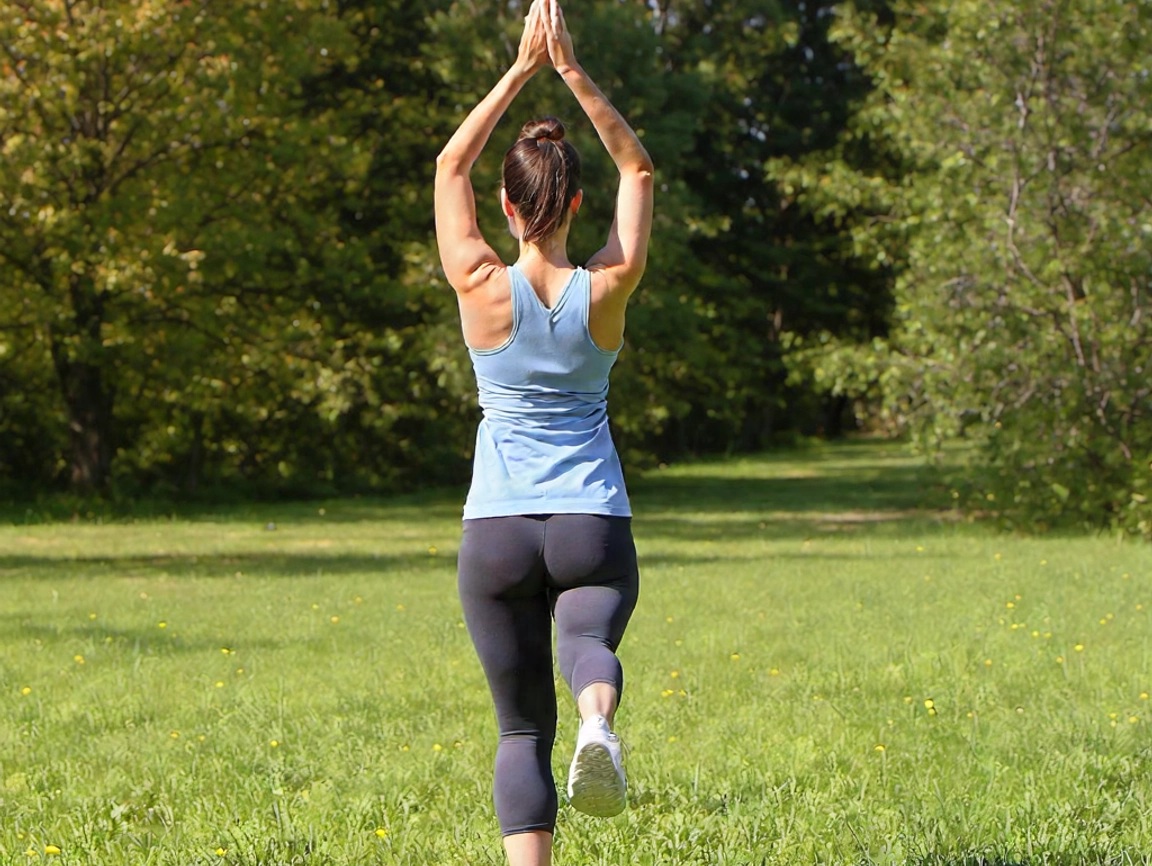
Exercise and Fibromyalgia: How to Find the Right Balance
Exercise is one of the most consistently recommended non-drug treatments for fibromyalgia, but the advice can feel impossible when movement already hurts. The goal is not to push through severe symptoms or meet someone else’s fitness target. It is to find a repeatable amount of movement your body can recover from and build gradually.
Why exercise can help fibromyalgia
Gradual activity may improve physical function, stamina, sleep, mood and confidence with movement. It may also reduce pain for some people over time. Improvement is usually gradual; exercise is a management tool, not a cure.
Too much too soon can cause setbacks. Long periods of inactivity may also reduce conditioning and make ordinary tasks harder. The useful middle ground is individualized, progressive movement.

Which exercises are usually most practical?
| Type | Examples | How to adapt |
|---|---|---|
| Aerobic | Walking, water exercise, stationary cycling | Use short intervals and an easy conversational pace. |
| Strength | Chair rises, wall push-ups, light resistance bands | Start with one set and generous rest. |
| Mobility | Gentle range-of-motion movements | Move within comfort; do not force painful stretches. |
| Mindful movement | Tai chi, adapted yoga, qigong | Choose a qualified instructor and modify positions. |
| Daily activity | Cooking, gardening, light housework | Break tasks into shorter blocks and alternate demands. |
Water exercise may feel more comfortable because buoyancy reduces load, although heat, pool access and sensory tolerance vary. Choose an activity you can realistically repeat.
A gentle four-week starter plan
This example is not a prescription. If even the first dose is too much, shorten it. If you already tolerate more, a physical therapist can help set an appropriate baseline.
| Week | Movement goal | Recovery goal |
|---|---|---|
| 1 | 3–5 minutes of easy movement on 3 days | Finish feeling you could have done a little more. |
| 2 | Repeat or add 1 minute to selected sessions | No major worsening lasting into the next day. |
| 3 | Add one light strength exercise, 1 set | Keep aerobic time stable while testing strength. |
| 4 | Review; add duration or frequency—not both | Choose the version you can repeat for another month. |
Use pacing instead of the boom-and-bust cycle
- Choose a baseline based on an ordinary day, not your best day.
- Stop before exhaustion forces you to stop.
- Alternate demanding and easier tasks.
- Use planned breaks instead of waiting for severe pain.
- Increase one factor—time, resistance or frequency—by a small amount.
- Keep notes on recovery, sleep and daily function.
Fatigue may require separate strategies; see Managing Fibromyalgia Fatigue. Regular meals and hydration support activity, but juice or supplements are not exercise substitutes; see Juicing Your Way to Relief.

Should you exercise during a flare?
A flare is usually a time to reduce the dose, not prove toughness. Gentle range-of-motion movements, a brief slow walk or comfortable breathing exercises may be enough. If movement clearly worsens symptoms, prioritize essential activities and recovery, then return gradually.
New or unusual symptoms should not automatically be labeled a flare. Fever, hot or swollen joints, progressive weakness or severe shortness of breath requires medical evaluation.
Strength training without overdoing it
Strength work can support daily function. Start with simple movements such as supported chair rises, wall push-ups or a light band row. Use controlled motion, avoid holding your breath and allow recovery between sessions. A physical therapist can modify exercises around balance, joint, pelvic-floor or neurological concerns.
How medical treatment fits
Exercise works best as one part of care that may include sleep treatment, pacing, medication and psychological support. Review the larger strategy in Managing Fibromyalgia Pain Holistically and medication considerations in Managing Fibromyalgia Pain: Medications and Natural Remedies.
When to stop and seek medical advice
Frequently asked questions
What is the best exercise for fibromyalgia?
There is no single best activity. Walking, water exercise, cycling, light strengthening and adapted tai chi or yoga are common options. The best choice is safe, accessible and repeatable.
Can exercise make fibromyalgia worse?
An overly large dose can cause a temporary symptom increase. Start lower, progress slowly and adjust according to recovery.
How many minutes should I exercise?
There is no universal starting number. Begin with what you can tolerate repeatedly—even a few minutes—and build gradually.
Should I push through pain?
No. Mild effort or temporary soreness differs from sharp pain, dizziness, chest symptoms or a prolonged flare. Modify or stop when warning signs appear.
Is stretching enough?
Mobility work can help comfort but does not provide all the benefits of aerobic and strengthening activity. Add other forms gradually when appropriate.
How often should I increase?
Increase only after the current dose is repeatable with acceptable recovery. Change one variable at a time.
Can a physical therapist help?
Yes. A therapist can assess function, teach form and adapt movement around other health conditions.
The bottom line
The right fibromyalgia exercise plan is not the hardest plan—it is the one you can recover from and repeat. Start small, monitor the next 24–48 hours, progress one variable at a time and adjust during flares.
Trusted sources
Medical disclaimer: This article is educational and does not replace individualized medical advice. Consult a qualified professional before changing exercise when you have significant symptoms or other health conditions.