
A weighted blanket can feel cozy for the first five minutes. Then it starts pressing on your toes, your legs get hot, and suddenly you’re negotiating with a blanket just to roll over.
If you’re looking for the best weighted blankets for fibromyalgia, start with what your body already tells you about touch, pressure, and heat. The weight on the label matters. So does where that weight lands and how easily you can move it when you’ve had enough.
Why steady pressure feels good to some people and hurts others
Some people find steady pressure soothing while they sit and unwind. With fibromyalgia, even light touch can hurt. That’s called allodynia. A seam brushing your shin or a blanket resting on your feet might feel uncomfortable on a flare day, even if the same fabric felt fine yesterday.
Pay attention to where you welcome pressure and where you want more space. You might enjoy a little weight over your thighs while reading and want your feet completely free. A weighted blanket is a comfort item, and the evidence for sleep benefits is limited. NHS guidance on fibromyalgia symptoms and Royal College of Occupational Therapists guidance on weighted blankets.
What to check before you buy
- Total weight. Check the weight of the exact size you’re ordering. If it comes with a removable cover, check whether the listed weight includes it.
- Dimensions. A small lap blanket is easier to position over one area, but it can concentrate pressure. A larger blanket spreads its weight across more fabric and can be harder to handle. Check that it won’t hang off the bed if you plan to use it there while awake.
- Fill and stitching. Quilted pockets hold beads in sections. If you’re sensitive to pressure in specific spots, look for reviews that mention bunching, shifting, or raised seams.
- Cover fabric. Think about the sheets and clothes your skin already likes. Check the fabric, seam placement, and whether you can remove and wash the cover on its own.

How to choose a weight when tender spots hurt
You’ll often see 10% of body weight on a sizing chart. West Suffolk NHS occupational therapy guidance uses that figure as an upper limit and recommends keeping the blanket as light as possible. For someone who weighs 150 pounds, 10% is 15 pounds. If you already find a regular comforter heavy, there’s no reason to aim for 15 pounds. West Suffolk NHS weighted blanket guidance.
With the blanket laid flat, check where it presses. Keep it off tender knees, ankles, or toes if those spots object. Avoid folding it over a small area to shorten it, since that puts more weight in one place. If sliding it aside takes effort when you’re sitting up and alert, consider a lighter option or stick with ordinary bedding.
Check the whole blanket if you run hot
“Cooling” may describe how a cover feels when you first touch it. What matters is how warm you feel a few minutes later. Check for batting, fleece backing, and a thick removable cover. Those layers can make a difference even when the outer fabric feels cool at first.
If heat is usually what makes you throw off the covers, compare an open-knit blanket with a smooth cotton quilted option with little or no batting. An open knit allows more airflow through the fabric, but the loops can catch on toes or feel bumpy against sensitive skin. A smooth cover may feel better if texture is what bothers you most.
Three weighted blanket styles worth comparing
| Style | Worth a look if | Check first |
|---|---|---|
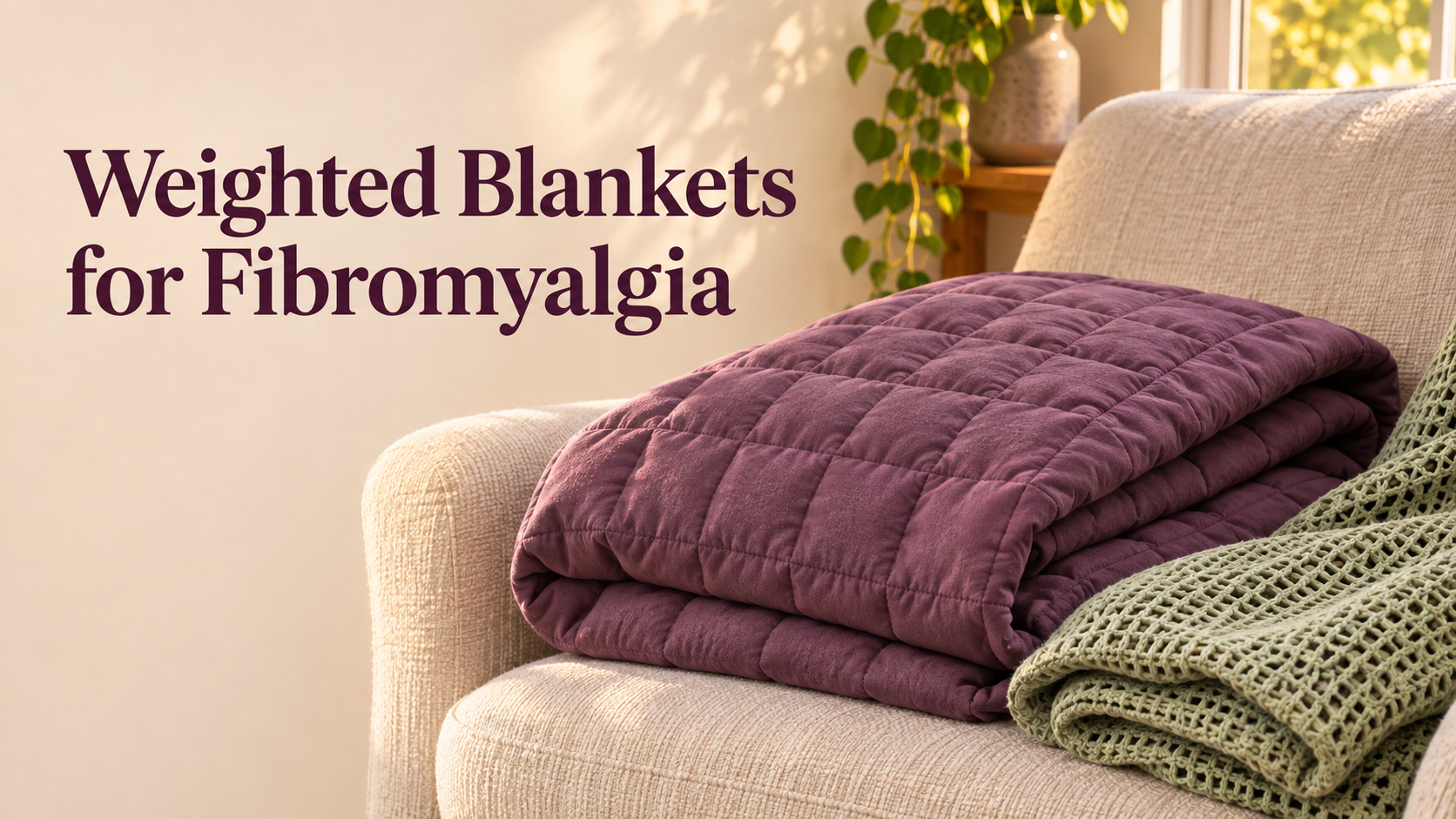
| Quilted cotton with glass beads | You like a smooth surface and want a blanket that drapes over you. | Look for a light size and check how raised the quilting feels. |
| Bearaby 10-lb cotton knit | You want to compare a bead-free, open-knit option. | Check whether 10 pounds feels manageable and whether the chunky knit bothers your skin. |
| Baloo Daydreamer lap blanket | You’re curious about localized pressure while sitting and want your feet free. | It puts 8 pounds into a compact 22-by-36-inch blanket. That may feel like too much over tender thighs. |
Use the examples to compare construction and size. If both listed weights sound heavy for you, keep looking for a lighter option with the same features.

Try it for seven evenings while you’re awake
Read the safety section below before you start. If a trial is appropriate for you, use a week to see how the blanket feels during short, awake sessions. Take it off before you get drowsy. You can stop on the first evening if it feels wrong.
- Evenings 1 and 2. Sit upright and lay the blanket flat across a comfortable area for a few minutes. Keep your head and neck clear. Make sure you can shift positions and slide it off without help.
- Evenings 3 and 4. Repeat only if it felt comfortable. Notice whether warmth builds, the fabric starts to bother you, or the weight feels harder to move as you get tired.
- Evenings 5 through 7. Compare one brief session with an evening using your usual throw. Ask which one you would actually reach for again. Keep the trial brief, even if you like the feeling.
A quick note is plenty. Try “comfortable over thighs, too warm after a few minutes” or “easy to move, seam bothers my shin.” Those details help you decide whether to keep the blanket, exchange it, or go back to your usual bedding.
Give the blanket one job
If you like the pressure while you read but want lighter bedding when you sleep, keep the weighted blanket by your chair. On days when even your clothes feel irritating, reach for whatever feels easiest against your skin. For more ways to make the bedroom comfortable, see How to Set Up a Bedroom That Doesn’t Fight Your Fibromyalgia Pain. If you’re having a rough day, start with Coping With Fibromyalgia Flares.
Ready to compare blankets?
Browse the styles above and check the seller’s return policy before you order. Look for whether you can return an opened blanket, how long you have to decide, and who pays return shipping. A blanket can feel different in your lap than it looks on a product page.