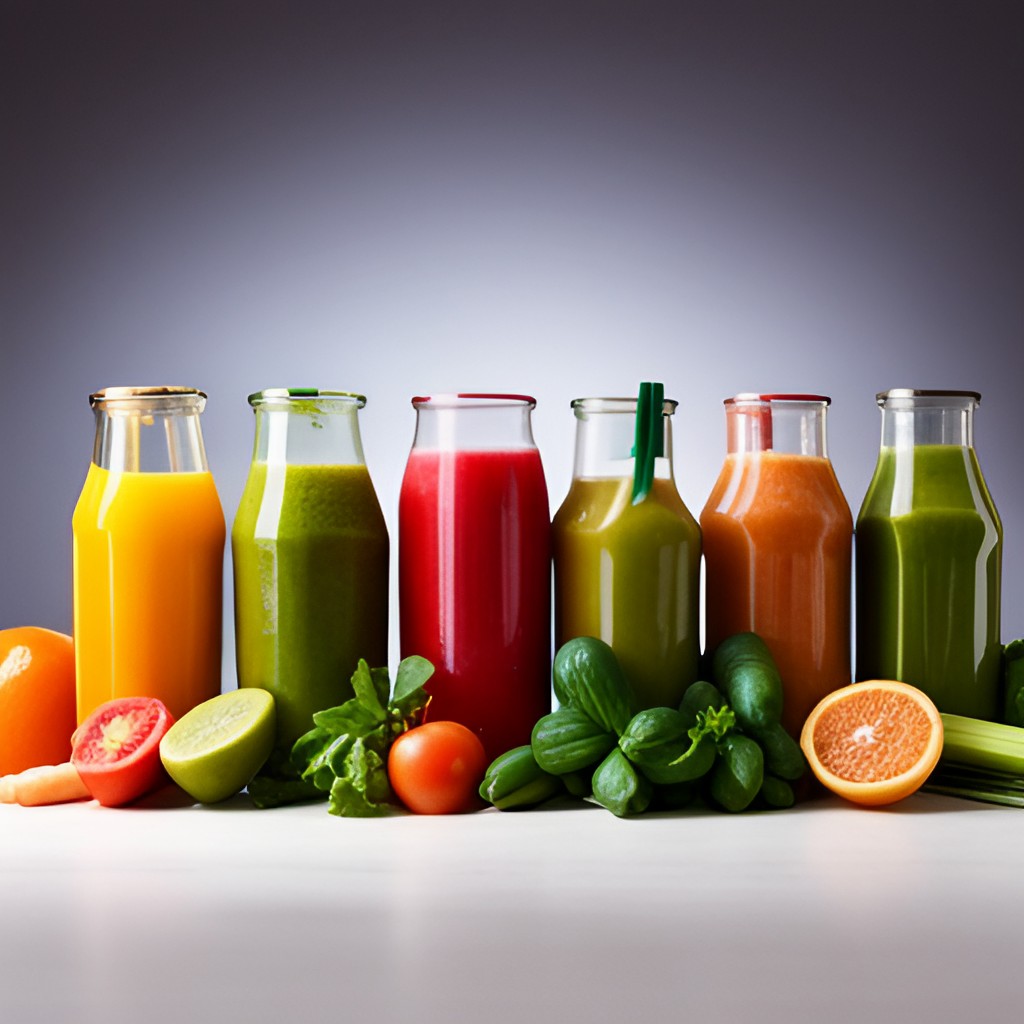
Anti-Inflammatory Diet for Fibromyalgia: Easy Foods and a Beginner’s Guide
When pain, fatigue and brain fog make cooking feel like another chore, a simple food plan can make healthier choices less overwhelming. Here is a realistic way to explore anti-inflammatory eating—without expecting perfection.
Some days, living with fibromyalgia means carefully deciding where to spend the little energy you have. You may want to eat better, but shopping, chopping, cooking and cleaning can use energy you need for everything else.
That is why advice such as “just cook healthy meals” is not always helpful. You need ideas that work on low-energy days—not another complicated routine.
An anti-inflammatory diet for fibromyalgia is not a cure, and no single plan works for everyone. However, choosing more nutrient-dense, minimally processed foods can support general health and help you observe how different foods fit into your own routine.
Can an Anti-Inflammatory Diet Help With Fibromyalgia?
There is no official diet proven to treat fibromyalgia. The Arthritis Foundation states that there is no specific fibromyalgia diet, although it encourages a balanced pattern rich in vegetables, fruit, fish and healthy fats such as olive oil. The Mayo Clinic also includes nutritious food among healthy habits that may support fibromyalgia management.
“Anti-inflammatory diet” generally describes eating more plants, fiber, healthy fats and minimally processed foods while limiting large amounts of added sugar, refined carbohydrates and heavily processed foods.
Some people report that certain foods seem to affect their pain, energy, digestion or sleep, but experiences vary. A food that appears troublesome for one person may not affect another.
Foods Commonly Included in an Anti-Inflammatory Diet
You do not need expensive specialty ingredients. Frozen and canned foods can be nutritious, affordable and easier to manage during a flare.
Colorful produce
Berries, cherries, oranges, leafy greens, broccoli and peppers provide fiber and varied nutrients.
Healthy fats
Olive oil, avocado, walnuts, almonds and seeds require very little preparation.
Omega-3 sources
Salmon, sardines, tuna and mackerel contain omega-3 fatty acids. Canned options count.
Beans and lentils
These affordable foods provide fiber and plant-based protein. Rinse canned beans to reduce sodium.
Whole grains
Oatmeal, brown rice and quinoa are common choices. Precooked packages can save energy.
Simple proteins
Fish, eggs, poultry, beans and other suitable proteins can make a simple meal more satisfying.
Easy Meal Ideas for Fibromyalgia Flare Days
A nourishing meal does not need to look impressive. When energy is limited, assembling food is still cooking. Try:
- Oatmeal with frozen berries, cinnamon and walnuts
- Greek yogurt—or a suitable alternative—with fruit and chia seeds
- Microwaveable brown rice, rinsed canned beans and frozen vegetables
- Canned salmon or tuna over a bagged salad
- Whole-grain toast with avocado and an egg
- Low-sodium vegetable soup with beans or shredded chicken
- A berry and leafy-green smoothie with a suitable protein source
- Hummus, whole-grain crackers and sliced vegetables
Consider creating a “flare-day shelf” in your pantry or freezer with meals you can prepare in five minutes. This reduces decisions when pain or brain fog is high.
A Practical Guide for Beginners
If you want more structure, The Practical Anti-Inflammatory Diet Guide for Beginners may help you move from reading general advice to making everyday food choices.
A beginner-focused resource can be useful when you need meal inspiration, shopping guidance or one convenient place to begin.
See the Guide on AmazonAffiliate disclosure: If you make a qualifying purchase through this link, I may earn a commission at no additional cost to you.
Who May Find This Guide Helpful?
- People completely new to anti-inflammatory eating
- Anyone overwhelmed by conflicting nutrition advice
- Readers seeking inspiration for adding more whole foods
- People who want more intentional grocery choices
- Anyone who prefers information organized in one resource
- People interested in gradual rather than extreme changes
The guide is not a medical treatment or a promise of symptom relief. Review its current product description and customer information before purchasing to ensure it fits your dietary needs, budget and cooking preferences.
How to Start Without Becoming Overwhelmed
- Add before eliminating. Add one vegetable or fruit instead of immediately creating a list of forbidden foods.
- Choose one weekly goal. For example, prepare one simple breakfast at home.
- Use shortcuts. Frozen produce, bagged salad and precooked grains protect limited energy.
- Cook extra on better days. Freeze individual portions for difficult days.
- Track food and symptoms. A simple journal may reveal patterns to discuss with a professional.
Symptoms may also change because of sleep, stress, activity, weather and medication. Avoid blaming one food after a single difficult day.
Is This Beginner’s Guide Worth Considering?
The guide may be helpful if your biggest obstacle is knowing where to start. Having information and ideas in one place could reduce some of the mental work involved in meal planning.
No cookbook can guarantee improvement in pain, fatigue or brain fog. Its practical value may be helping you build more nourishing meals in a manageable way—and sometimes making the next choice easier is a meaningful win.
Frequently Asked Questions
What is the best diet for fibromyalgia?
There is no single diet proven to treat or cure fibromyalgia. A balanced pattern with fruits, vegetables, whole grains, healthy fats and suitable proteins is a reasonable general starting point. Seek personalized guidance from a doctor or registered dietitian.
Can an anti-inflammatory diet cure fibromyalgia?
No. An anti-inflammatory diet cannot cure fibromyalgia and should not replace medical care. It may support general health and help some people understand how individual foods fit into their routine.
What foods are commonly included?
Common choices include berries, leafy greens, broccoli, beans, lentils, whole grains, nuts, seeds, olive oil and fatty fish. The emphasis is on varied, minimally processed foods.
What foods should people with fibromyalgia avoid?
There is no universal list. Responses differ, so a food and symptom journal may help identify patterns to discuss with your healthcare provider.
How can I eat better when cooking is difficult?
Use frozen vegetables, canned beans, precooked grains, bagged salad and simple proteins. Keep easy meals for flare days and prepare extra portions when energy is better.
Should I try an elimination diet?
Do not begin a highly restrictive diet without professional guidance. Removing multiple foods can cause nutritional deficiencies and make eating more stressful.
Is this guide suitable for beginners?
It is positioned for beginners seeking an organized introduction. Check the current product information to determine whether it matches your needs and preferences.
Final Thoughts
Eating well with fibromyalgia is not about picture-perfect meals. It is about choices that respect your energy, budget and health needs. Start small, use convenient ingredients and observe how your body responds over time.
Consult your healthcare provider before major changes, especially if you have diabetes, kidney disease, digestive concerns, food allergies or take prescription medication.
Have you changed the way you eat since developing fibromyalgia? Share your easiest flare-day meal below.
Sources: Arthritis Foundation and Mayo Clinic.